Are tasting rooms quietly setting the price of your next home? In Paso Robles, wineries do more than pour great vintages. They drive jobs, attract visitors, and shape where and how people want to live. If you are thinking about buying, selling, or investing, understanding the wine economy gives you an edge. In this guide, you will learn how wineries influence demand, where premiums show up, what risks to watch, and which signals to track so you can move with confidence. Let’s dive in.
Why wineries matter to housing
Paso Robles is one of California’s larger wine regions by acreage and number of wineries. The local wine economy supports grape growing, tasting-room tourism, hospitality, and related services. That activity brings full-time workers, owner-operators, and lifestyle buyers who want a slice of wine-country living.
The region covers the Paso Robles AVA with several distinct sub-AVAs, including Adelaida, Willow Creek District, Templeton Gap, El Pomar, and San Juan Creek. Those differences in soils, elevation, and climate impact vineyard quality and land values, which also carry through to nearby residential pricing. Local tourism has peaks in spring and during late summer and fall harvest, with events and weddings extending visits into the shoulder seasons. The bottom line: when the wine economy grows, housing demand tends to rise alongside it.
For context and events, explore the Paso Robles Wine Country Alliance. You can also scan visitor trends and seasonality through Visit SLO CAL.
Six ways wineries shape demand and prices
1) Tourism and STR pull
Tasting rooms, wine trails, festivals, and weddings fuel visitor traffic. Many guests return as repeat renters or buyers of second homes. This is a key reason short-term rental demand clusters around tasting-room corridors and the walkable downtown core. Strong visitor pull can reduce long-term rental supply and increase competition for well-located homes.
Seasonality matters. Spring and harvest bring higher occupancy and rates for STRs, which can lift investor interest before peak months. That cycle can tighten for-sale inventory as buyers and sellers time the market.
2) Lifestyle premiums near wineries
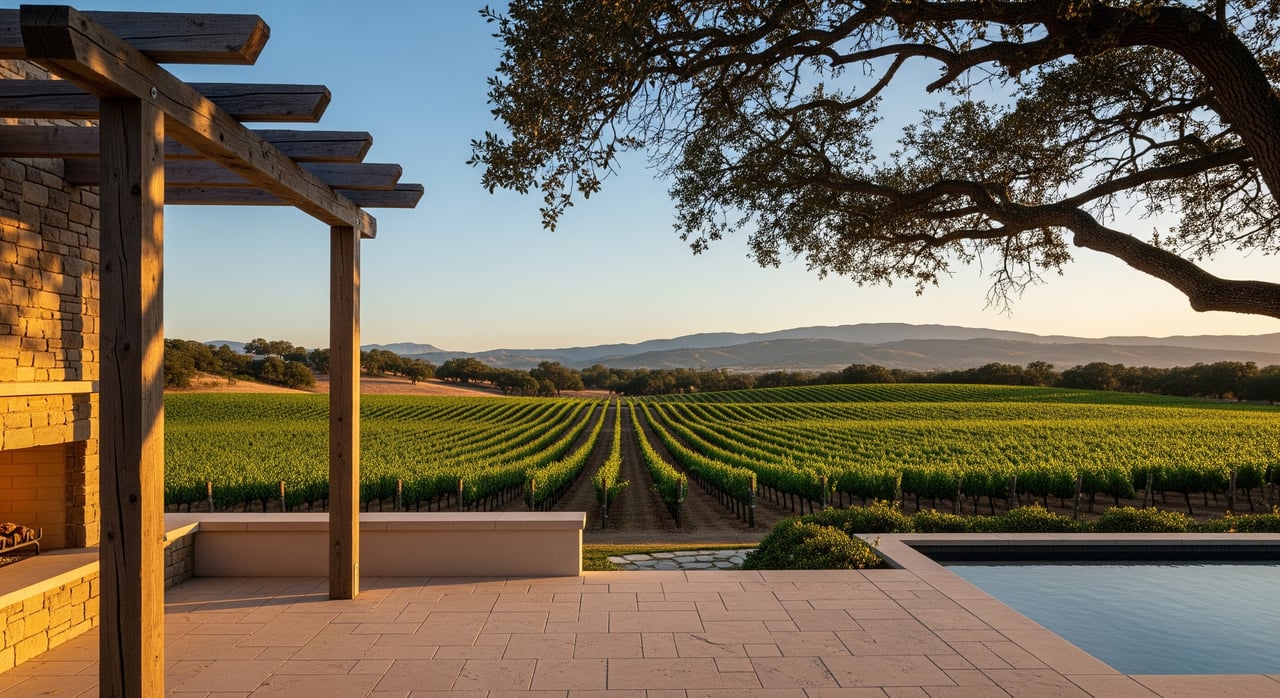
Buyers who want wine-country living will often pay a premium for views, vineyard-adjacent settings, acreage, and outdoor entertaining spaces. Properties with patios, pools, and privacy tend to see more upgrades and renovation, which raises neighborhood benchmarks over time. Proximity to tasting-room clusters can add value for both personal use and rental potential.
3) Vineyard-capable land and dual-use value
Parcels that can support vines have dual value: agricultural production and residential or estate use. That competition for acreage can push per-acre prices above standard residential land. If you are weighing a vineyard-capable parcel, remember that establishing and maintaining vines is capital intensive. Compare the long-term premium to realistic operating costs and timelines.
4) Workforce housing and affordability pressure
Wineries and hospitality venues need year-round and seasonal labor. When prices rise quickly, workers often move outward to more affordable areas, which raises demand for rentals and entry-level homes in surrounding towns. This is why you see local attention on workforce housing and inclusionary policies during growth cycles.
5) Investors and STR returns
Investors target homes that perform with tasting-room visitors and weekend stays. A higher investor share can reduce owner-occupied supply and lift prices in tourist corridors. STR returns depend on location, seasonality, design appeal, and management. For performance data, review market tools like AirDNA.
6) Infrastructure ripple effects
Winery investment can lead to better roads, utilities, and services, which often benefits nearby housing. In some areas, water or septic limits cap development and hold supply in check. Pay attention to planned improvements or capacity constraints when underwriting value.
Micro-markets within Paso Robles
Downtown Paso Robles
Walkable blocks, tasting rooms, restaurants, and boutique hotels create steady demand from visitors and locals. You will find small-lot single-family homes, condos, and infill opportunities. This area often appeals to buyers who want convenience and to STR investors focused on weekend stays.
Westside and Highway 46 West
Rolling hills, established vineyards, and estate properties define the westside. Proximity to winery clusters and scenic terrain supports higher per-acre values. Typical buyers include winery owners, affluent second-home shoppers, and those seeking acreage with vineyard potential.
Eastside and higher-elevation AVAs
Hilltop vineyards and cooler microclimates characterize these pockets. Expect scenic views, boutique producers, and estate vineyard sites. Buyers here often include investors in vineyard acreage and lifestyle buyers who value privacy and setting.
Surrounding towns: Templeton, Atascadero, San Miguel
These communities offer comparatively lower housing costs within commuting distance of Paso Robles wineries. They attract families, workforce renters, and buyers seeking more budget-friendly options while staying connected to the wine economy.
Just outside city limits and unincorporated areas
Regulatory frameworks differ between city and county. Septic versus sewer, well water, and agricultural zoning can affect what you can build and how you can use a property. If a parcel is under an agricultural conservation contract or has minimum parcel sizes, confirm development potential before you write an offer.
Regulations, environment, and risk factors
Water availability and rights
Vineyards and homes both need reliable water. Groundwater and municipal supply constraints can influence development and vineyard viability. Watch county water planning updates and well permitting activity in areas that rely on groundwater.
Zoning and the Williamson Act
Agricultural zoning and the California Land Conservation Act, commonly known as the Williamson Act, can limit subdivision and non-agricultural development, which helps preserve farmland. Review county planning maps and Williamson Act status early. For statewide background, read the Williamson Act overview from the California Department of Conservation.
STR rules and taxes
Short-term rental ordinances, registration, occupancy caps, and transient occupancy tax policies can change investor math quickly. Always confirm current city or county rules, enforcement trends, and tax rates before underwriting an STR purchase.
Wildfire risk and insurance
Wildfire risk affects insurance availability and premiums, especially in hillside or rural settings. Check CAL FIRE fire-threat maps and local defensible-space requirements, and seek insurance quotes early in your process. Higher risk can impact carrying costs and resale liquidity.
Infrastructure and permitting timelines
Sewer and wastewater capacity, road access, and building permit timing influence both value and feasibility. If you plan to add an ADU, renovate, or plant vines, review permitting steps and connection fees before you set timelines or budgets.
What to watch: real-time signals
- Visitor volume and hotel trends. Scan Visit SLO CAL for occupancy and seasonal shifts that influence STR demand.
- New tasting rooms or winery expansions. Announcements through the Paso Robles Wine Country Alliance are useful leading indicators for neighborhood demand.
- STR supply and pricing. Track occupancy and ADR trends through tools like AirDNA to gauge income potential and competition.
- Vineyard and land sales. Follow per-acre pricing and transaction velocity for vineyard-capable parcels to understand estate and rural land premiums.
- Building permits and starts. Rising permit activity can add supply or signal confidence in a submarket.
- Local employment in wine, leisure, and hospitality. Stable or growing job counts support long-term housing demand.
- Policy changes. City and county agendas on STR rules, zoning, and agricultural protections can shift valuations quickly.
Buyer and investor checklist
- Confirm zoning and allowable uses for your target property. Ask about agricultural overlays and minimum parcel sizes.
- Verify water source, sewer versus septic, and any system capacity limits. For rural estate searches, confirm well performance and storage.
- Review STR rules, registration steps, caps, and tax obligations. Confirm whether STRs are permitted in your zone.
- Pull insurance quotes early, including wildfire coverage and any special requirements.
- Compare local comps for both resale value and STR performance. Look for seasonality patterns and design features that command premiums.
- Map tasting-room clusters, hotel projects, and event venues near the property. Consider traffic patterns on weekends and during harvest.
- Inspect connectivity. Reliable cell and internet service are critical for remote work and guest satisfaction.
- Build an improvement plan if you want value-add upside. Estimate costs and permitting timelines for renovations, ADUs, pools, or vineyard planting.
Move forward with local guidance
The wine economy is a powerful tailwind for Paso Robles housing, but success comes from reading the details: sub-AVA location, infrastructure, regulation, and seasonality. With the right strategy, you can align lifestyle goals with smart valuation and timing. If you want help matching a property to both your tastes and your numbers, connect with a local advisor who is fluent in vineyard dynamics, STR underwriting, and renovation potential.
Ready to explore opportunities in Paso Robles? Reach out to Jordan Jackson for a design-forward, data-backed plan that fits your goals.
Paso Robles Wine Country Alliance | Visit SLO CAL | Williamson Act overview | CAL FIRE fire-threat maps | AirDNA
FAQs
How do wineries affect home prices in Paso Robles?
- Wineries drive tourism, jobs, and lifestyle demand, which supports premiums near tasting-room clusters, scenic corridors, and vineyard-capable acreage.
What areas see the strongest STR demand near Paso Robles wineries?
- Downtown and corridors close to tasting rooms typically see strong STR interest due to walkability and event-driven stays, though rules and performance vary by street and season.
Does owning vineyard-capable land always pay off?
- Not always. These parcels often carry premiums, but vines require significant capital and operating costs, so verify recent vineyard sales and budget for establishment and maintenance.
What regulations could impact my rental income or build plan?
- Short-term rental ordinances, agricultural zoning, Williamson Act contracts, and infrastructure capacity can all affect returns and feasibility, so confirm details with city or county planning.
How should I factor wildfire and insurance into my purchase?
- Review CAL FIRE risk mapping, follow local defensible-space standards, and obtain quotes early. Higher risk can raise premiums and affect resale timing.
If you are evaluating a Paso Robles home, ranch, or STR, let’s align your lifestyle goals with a clear investment case. Book a Consultation with Jordan Jackson.