Ever catch yourself daydreaming about more elbow room, a small barn, and sunsets over oak‑studded hills? If so, ranchette living in Atascadero might be your sweet spot. You want space for hobbies or horses without giving up quick trips to town. In this guide, you’ll learn where larger‑lot properties cluster, how city vs county rules shape what you can build, what to know about wells and septic, wildfire requirements, and the true costs of upkeep. Let’s dive in.
What ranchette living looks like
Ranchettes around Atascadero typically range from about 1 to 5 acres for small hobby properties, with mid‑sized options from 3 to 10 acres and larger ranches at 20 acres or more. Smaller 1 to 4 acre parcels often sit on the city’s edges, including parts of South Atascadero and the Sandoval and Santa Cruz Road corridors. Larger tracts tend to rise into the Santa Lucia foothills, where you’ll find hilltop and ridgeline views.
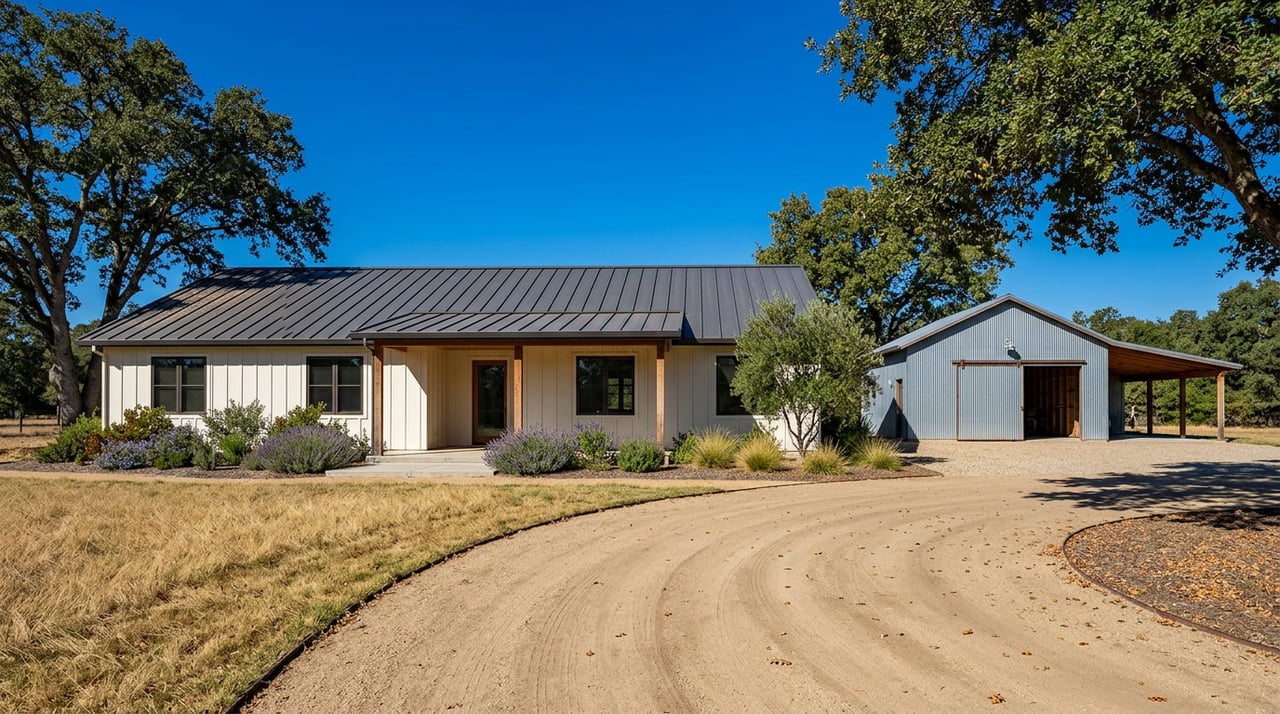
Most sites center a single‑family home and layer in purpose‑built spaces. Common features include a detached workshop, hay or storage barn, tack room, and cross‑fenced paddocks for hobby equestrian use. You may also see small arenas, round pens, and utility runs designed to keep water and power accessible around the parcel.
City or county: know your rules
Your first step is confirming if a parcel sits inside the City of Atascadero or in unincorporated San Luis Obispo County. Jurisdiction drives zoning, permits, setbacks, farm‑animal rules, and which services are even available. Start with the city’s planning and mapping tools to identify zoning and parcel details using the Profile, Plans & Maps page. You can also review county standards and the Land Use Ordinance to understand rules for unincorporated areas.
- City of Atascadero planning and maps: Profile, Plans & Maps
- SLO County Planning & Building ordinances (Title 22): Codes and Ordinances
If you plan to keep animals, the city ties permitted animal types and counts to lot size with a straightforward equivalency method. Setbacks and shelter standards also apply. Review the city’s Farm Animal Regulations to see how many large animals are typically allowed on a 1 acre or larger parcel.
- Atascadero Farm Animal Regulations: PDF guide
If your goal includes a future lot split or adding a second dwelling, know that SB 9 and ADU pathways depend on factors like sewer access, fire‑access standards, and local interpretations. Confirm eligibility early with the city or county before you buy.
Water, wastewater, and utilities checklist
On larger lots, utilities vary from parcel to parcel. In the city, some ranchettes connect to municipal water and sewer. Outside city limits, private wells and onsite wastewater treatment systems are common. Each setup carries its own due diligence steps.
- Wells: Ask for the well log and the most recent water quality test. Confirm yield and pump condition. The county’s Environmental Health team runs permitting and records for domestic wells. See the Well Program.
- Septic: Many rural properties rely on septic systems. Capacity and leach field condition can affect expansion plans, including ADUs. Pumping is typically every 3 to 5 years, with inspections before upgrades. Review local guidance on Septic System Operation and Maintenance.
- Sewer capacity: The city continues to evaluate and plan wastewater and water reclamation improvements, and capacity can influence future connections. For context, see recent City Council materials on treatment and reclamation planning in the Atascadero meeting portal.
Also review power service to the home, shops, and pumps, especially if you plan to run heavy equipment or add EV charging. On rural lanes, confirm who maintains the road, whether a shared agreement exists, and if fire apparatus can access the site year‑round.
Site design and common improvements
Well‑planned ranchettes make movement and maintenance easy. Look for logical circulation between house, barn, shop, and paddocks. Fencing should be safe and secure for animals, with cross‑fencing to rotate pastures and protect landscaping. Many buyers prefer graded, all‑weather driveways and strategic water spigots or hydrants that cut down hose runs.
Permits matter on older rural properties. Verify that barns, stalls, arena lighting, and detached shops were permitted and finaled. Unpermitted structures can affect value, insurance, and your ability to finance or expand.
Wildfire readiness, insurance, and escrow
Most larger‑lot buyers on the Central Coast need to plan for wildfire rules. The Office of the State Fire Marshal has updated Fire Hazard Severity Zone maps for San Luis Obispo County, and those designations affect construction standards, defensible space, and disclosures at sale. Check a parcel’s mapped zone using the county FHSZ map on the state site: SLO County FHSZ map.
California law requires defensible space around structures in wildfire‑prone areas, commonly up to 100 feet or to the property line. In High or Very High zones, Assembly Bill 38 created specific disclosure and inspection steps tied to real estate transactions. Ask early how defensible space will be documented in escrow and who performs the inspection. You can review the statute text here: AB 38.
Insurance availability and premiums may shift with updated hazard maps and local enforcement. Regional reporting has highlighted these concerns, so it is smart to check coverage options during your search, not after you open escrow. For background on local discussion, see this news overview on fire safety policy and impacts.
What it costs to own acreage
Property taxes in California start with a 1 percent base rate under Proposition 13, then layer on voter‑approved bonds and assessments by area. Your effective rate will likely be above 1 percent and varies by parcel. You can review county property tax rate resources here: SLO County property tax rates.
Ongoing costs to budget for include:
- Septic pumping every 3 to 5 years and possible system upgrades if you expand.
- Well testing, pump and pressure tank maintenance, and potential rehabilitation if yield drops.
- Fencing repair, pasture care, hay or feed, and vet costs if you keep animals. City rules limit animal counts by lot size.
- Vegetation management and defensible space work to comply with state and local requirements, plus optional home‑hardening projects.
- Private road upkeep and any shared road or bridge maintenance agreements.
Market snapshot and buyer fit
As of early 2026, aggregator snapshots place Atascadero’s median single‑family value in the mid‑$700,000s. Ranchette pricing varies widely with acreage, topography, well performance, barns and arenas, and view corridors. Many buyers here prioritize privacy, space for animals or workshops, room to garden, and outdoor living.
Tradeoffs usually include more maintenance, a longer driveway or commute, and the need to plan for well, septic, and fire compliance. Atascadero’s central North County location still keeps you well connected to regional amenities, which is a big part of the draw.
Ranchette showing checklist
Use this quick list to frame your questions at a showing or before you make an offer:
- Jurisdiction: City of Atascadero or unincorporated SLO County? Confirm zoning and mapped info with the city’s Profile, Plans & Maps.
- Water: Municipal water or a private well? Request the well log and a recent water quality test. See the county Well Program.
- Wastewater: On city sewer or a septic system? Ask for pump and inspection records and confirm system size versus your plans. Review county Septic System Operation and Maintenance.
- Easements and access: Any private road agreements, utility easements, or shared driveways that affect use or maintenance? Verify recorded documents.
- Animals and equine use: Do lot size and zoning support your animals? Check the city’s Farm Animal Regulations and any county standards for unincorporated parcels.
- Fire and insurance: Is the parcel in a High or Very High Fire Hazard Severity Zone? If yes, plan for AB 38 defensible space steps and confirm insurance options. See the SLO County FHSZ map.
- Capacity to expand: Do power and wastewater systems support a shop addition or ADU? Check with utility providers and the city or county.
- Permit history: Ask for permits on the home and all outbuildings. Unpermitted structures can limit financing and insurance.
How I help you buy the right acreage
Choosing a ranchette is both practical and personal. You want the right setting, the right improvements, and the right numbers. I help you evaluate site potential and constraints early, coordinate well, septic, and fire due diligence, and price improvements like barns or fencing into your offer strategy. When it is time to negotiate, I position your terms around the specific realities of rural property so you move forward with confidence.
If you are exploring acreage in or around Atascadero, let’s talk through your goals, timing, and must‑haves. Connect with Jordan Jackson to map a smart search and start previewing the right properties.
FAQs
What counts as a ranchette in Atascadero?
- Most buyers use ranchette to describe about 1 to 5 acres with a single‑family home and hobby‑scale improvements like a shop, barn, and cross‑fenced paddocks.
How do city and county rules differ for acreage?
- City parcels follow Atascadero’s zoning and handouts, while county parcels follow SLO County’s Title 22; these differences affect animals, setbacks, and permits.
What should I test on a property with a private well?
- Ask for the well log, recent water quality test, pump and pressure tank details, and verify yield relative to household and irrigation needs.
How often do septic systems need service on rural lots?
- Typical guidance is pumping every 3 to 5 years, with inspections before adding bedrooms or an ADU to confirm capacity and leach field health.
Do I need a wildfire inspection to sell a ranchette?
- If the property is in a mapped High or Very High Fire Hazard Severity Zone, AB 38 can trigger defensible space disclosure and an inspection during escrow.
What extra costs should I expect with horses on 2 to 5 acres?
- Budget for fencing repairs, hay or feed, vet care, manure management, and regular pasture upkeep, and confirm allowed animal counts by lot size.