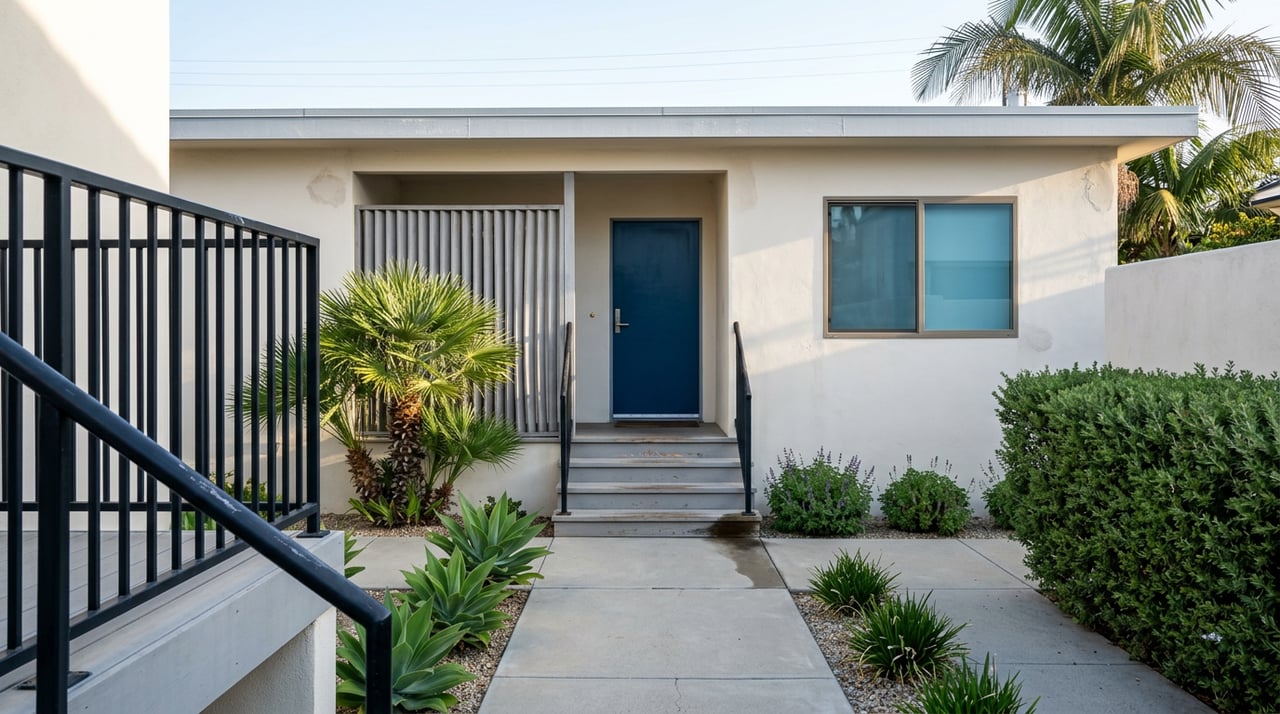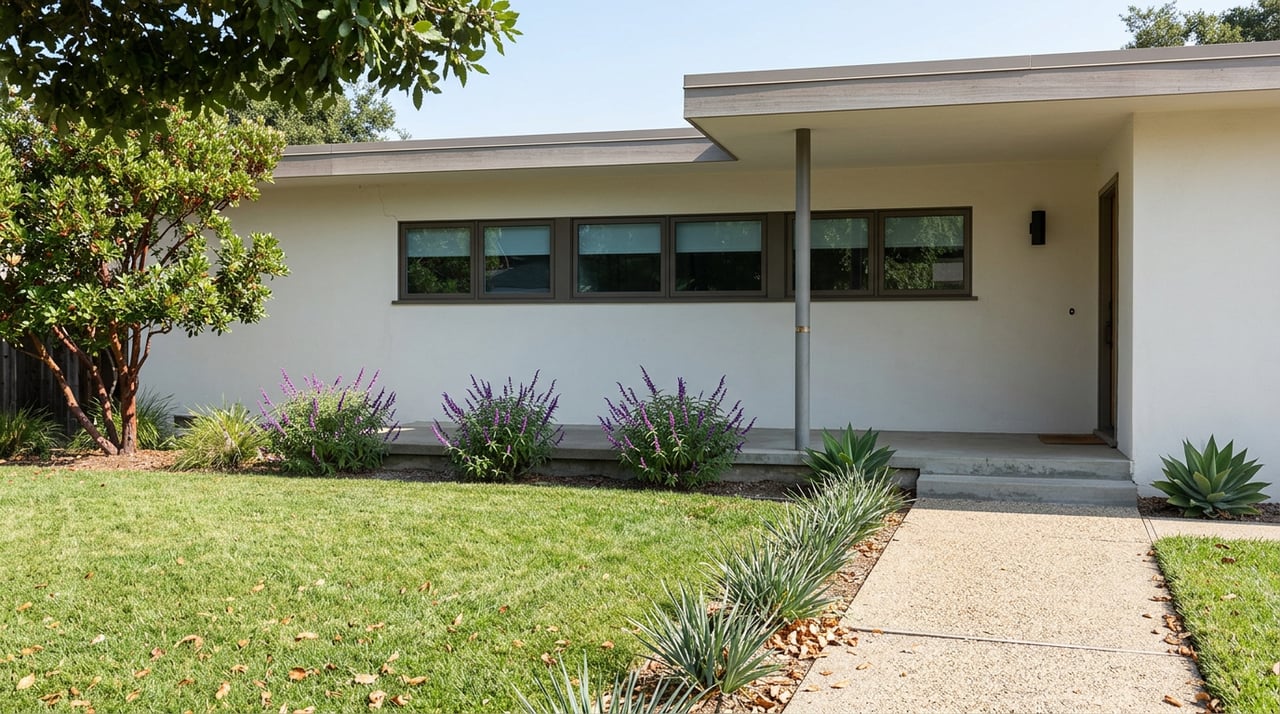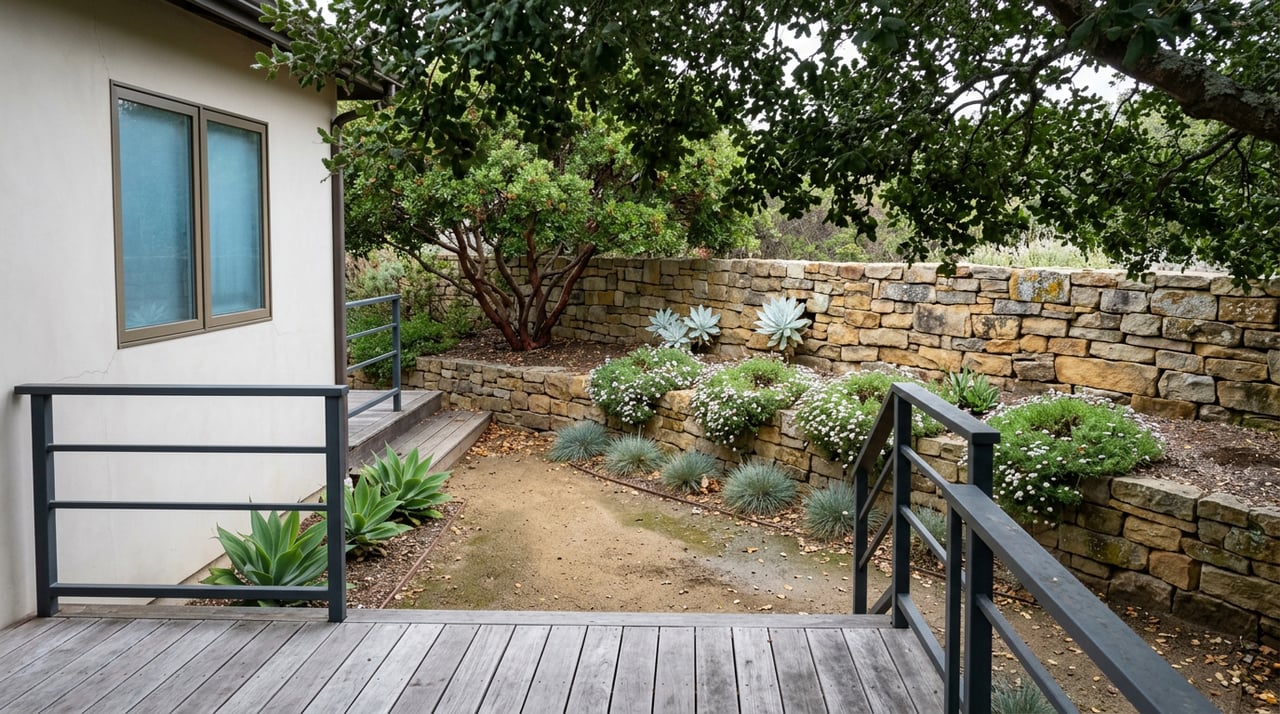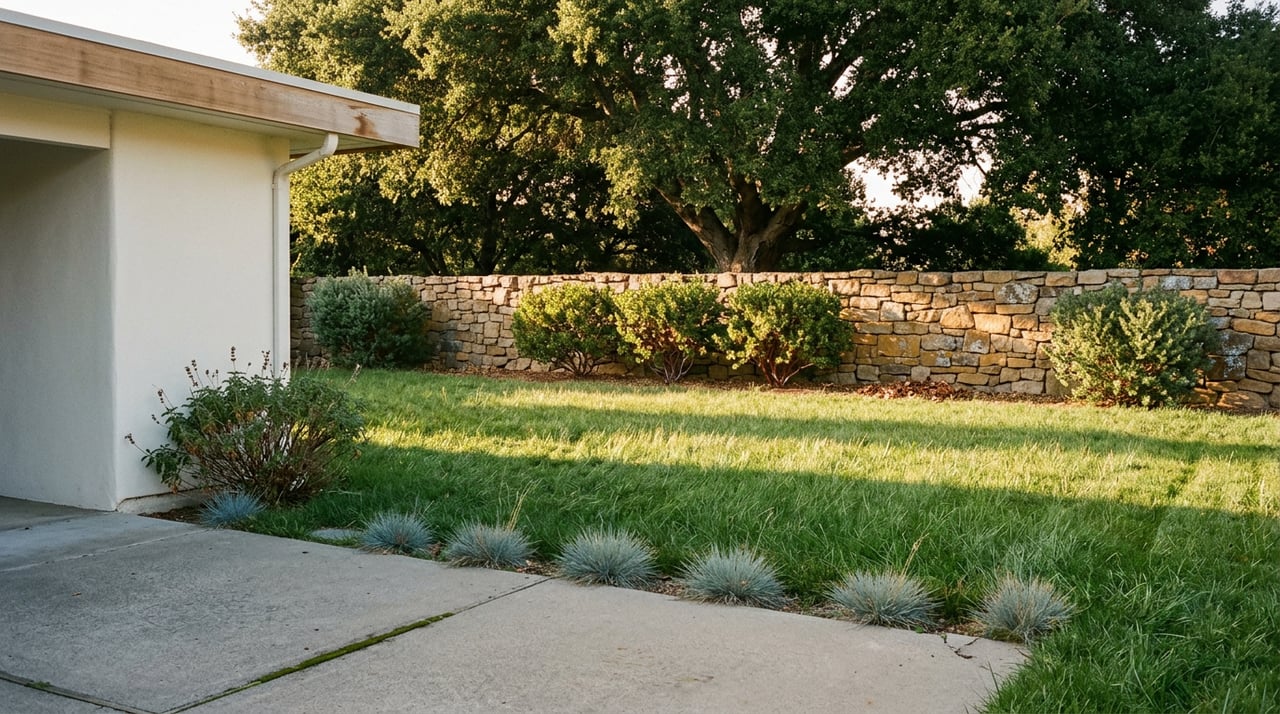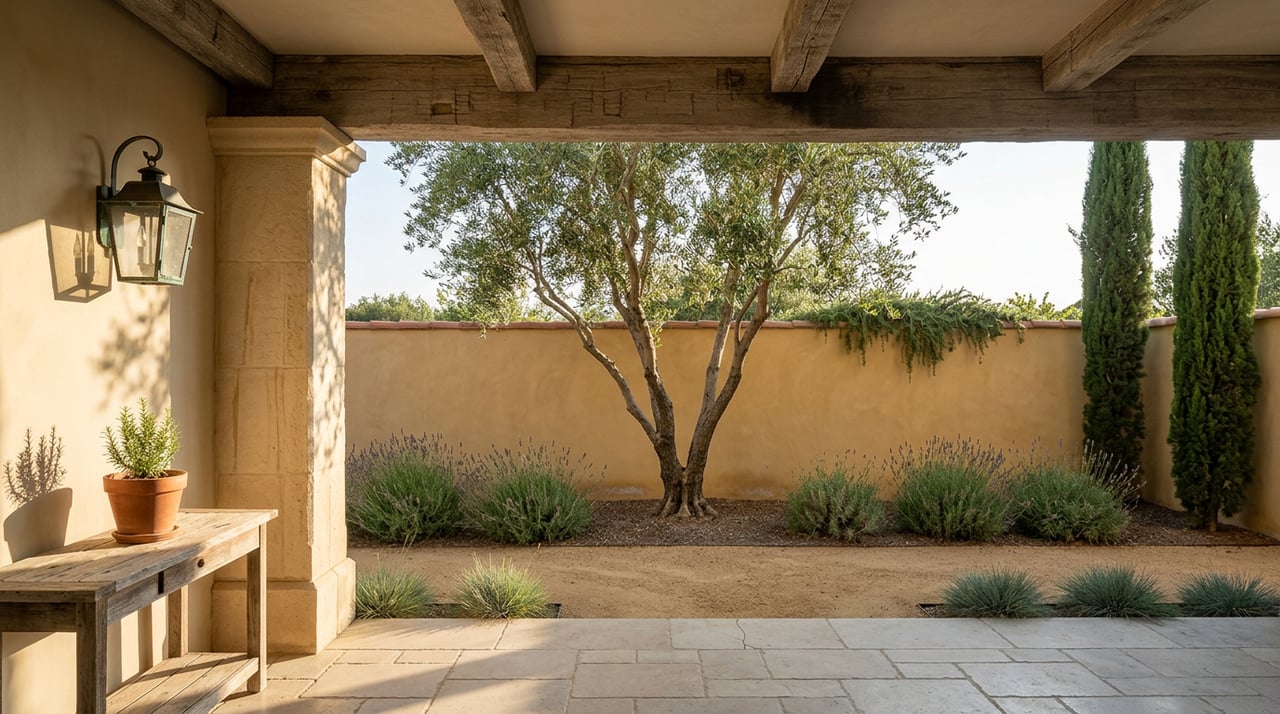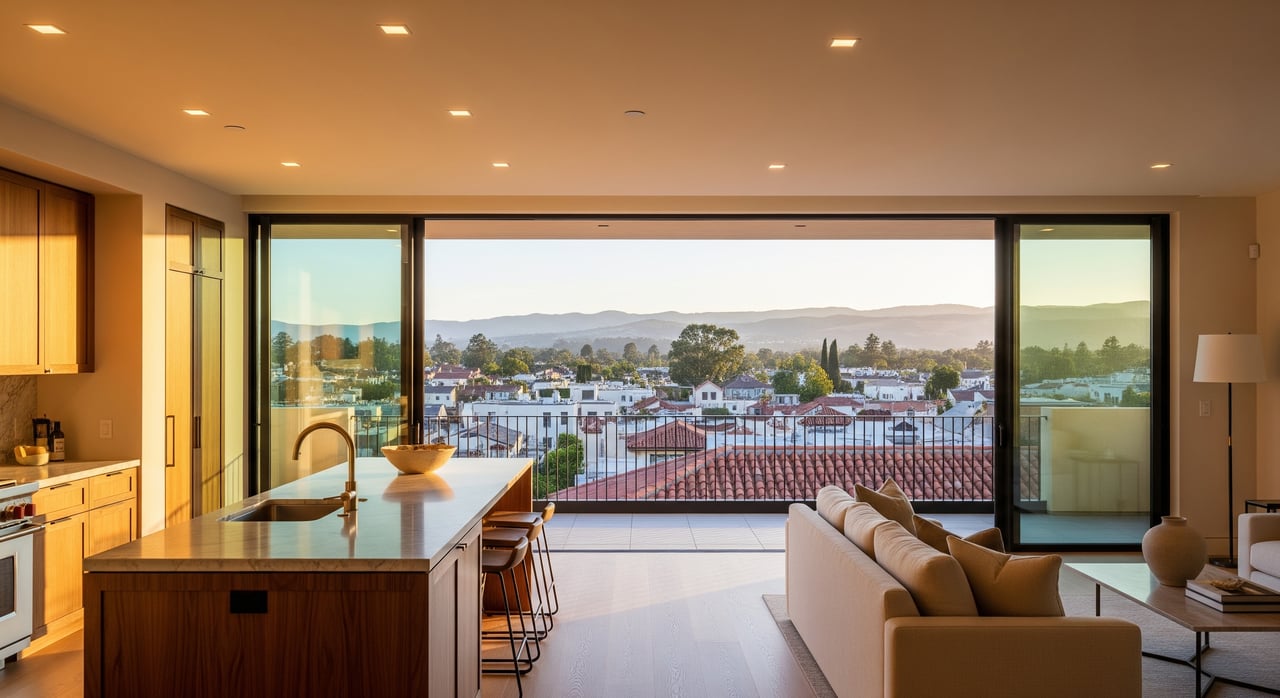
Craving morning coffee by Mission Plaza, nights at favorite restaurants, and a quick stroll to farmers’ market? If you want a low‑maintenance home that keeps you close to the action, a downtown San Luis Obispo condo could be a smart fit. The tradeoff is fewer private outdoor spaces, HOA fees, and shared walls, so it pays to look closely before you buy. In this guide, you’ll learn how downtown condo living works in SLO, what to expect from HOAs and financing, and a practical checklist to decide with confidence. Let’s dive in.
Downtown SLO condo lifestyle
Downtown San Luis Obispo is compact and walkable, centered around Mission Plaza, Higuera, and Monterey streets. You can reach restaurants, shops, cultural events, and services on foot, which makes day‑to‑day life simple. Many buyers value the shorter commutes, easy nights out, and less time spent on yard work.
You’ll also feel the influence of Cal Poly’s nearby campus. Housing demand flows from students, faculty, and staff, as well as tourism. That mix can boost the appeal of central locations, and it can add seasonal energy to the area.
Key tradeoffs vs single‑family
A condo can deliver a lifestyle‑first setup with less upkeep. Exterior maintenance is usually handled by the HOA, which reduces weekend projects. Smaller, design‑forward units like lofts or historic conversions often live large for their size.
You give up land and privacy compared with a single‑family home. Shared walls can bring more noise, and parking can be tighter. Monthly HOA dues are ongoing, and special assessments are possible. Resale can also hinge on the building’s financial health and buyer demand for condos at that time.
Building types you’ll see
- Historic flats and conversions. Apartments above retail or classic buildings converted to condos. Expect character, tall ceilings, and possibly older systems.
- Mid‑rise modern buildings. Newer construction, elevator access, assigned parking and storage, and more consistent amenities.
- Townhouse or rowhouse‑style condos. Multi‑level living with small patios or balconies.
- Lofts or live/work units. Open plans with flexible layouts, often on upper floors.
Floorplans commonly range from studios to two bedrooms. Older buildings may lack modern insulation or seismic upgrades, while newer ones often have higher dues but improved systems and amenities. Ask about any completed upgrades, especially for seismic and building envelope work.
Parking and transportation
Downtown SLO is walkable, which can reduce daily driving. That said, parking is a key detail to verify. Older buildings may offer limited or no assigned parking. Newer communities often include a stall or garage space, but allocation can vary.
Confirm what comes with the unit: assigned stall numbers, tandem spaces, EV charging access, and storage. Ask about guest parking and city permits for street parking. If you have a second car or frequent visitors, these details matter.
HOA costs and what they cover
Most California condos operate under the Davis‑Stirling Common Interest Development Act, which sets standards for HOA governance and disclosures. Typical dues cover exterior maintenance, landscaping, common utilities, building insurance for shared structures, and trash service. Some HOAs include water or sewer for units, while others do not. Always verify the line items.
Review the HOA’s reserve study and financials. Low reserves can lead to special assessments for major projects like roofing, exterior paint, or structural repairs. Look for recent meeting minutes, insurance certificates, CC&Rs, bylaws, and any pending litigation. Healthy budgets and clear planning reduce risk.
Insurance and inspections
You’ll likely carry an HO‑6 policy for the interior and personal property. Clarify where the HOA’s master policy stops and your responsibility begins, including finishes and upgrades. Consider loss assessment coverage in case the HOA levies an assessment.
Order a professional inspection that accounts for shared systems, water intrusion, and ventilation. For older buildings, ask about seismic retrofits and whether earthquake insurance is available for the HOA or individual owners. In multi‑story structures, the roof, siding, and drainage conditions are especially important.
Financing a condo
Condo lending adds a layer of project review on top of your borrower approval. FHA, VA, and many conventional lenders look at owner‑occupancy ratios, reserve funding, insurance coverage, and whether a single entity owns too many units in the building. If a project is not approved, certain loans may be unavailable or require larger down payments.
Work with a lender experienced in condo financing. Ask your lender to review HOA documents early, and confirm the building’s status for the loan program you plan to use. This can save time and prevent surprises in underwriting.
Rentals and local rules
If you plan to rent the condo, check both city regulations and HOA policies first. Short‑term rentals often require permits, and some HOAs prohibit or restrict them. Long‑term rentals can be capped by owner‑occupancy rules, which limit how many units can be leased at once.
Confirm the building’s current rental percentage, waitlists, and any minimum lease terms. Make sure the rules align with your goals before you write an offer.
Due diligence checklist
- HOA packet: budget, reserve study, CC&Rs, bylaws, insurance certificates, meeting minutes, and financials from the past 1 to 2 years.
- Current dues, what they cover, delinquency rate, and any pending special assessments or litigation.
- Parking: assigned stall documentation, guest policies, EV charging, and storage.
- Building condition: roof, exterior, plumbing and electrical systems, past water intrusion or mold issues, and any seismic upgrades.
- Title report: verify easements, liens, or special assessments. Confirm any special taxes that might apply.
- Financing: project approval status for your loan type and lender review of HOA docs.
- City context: any planned developments nearby that could affect views, noise, or parking.
Who a downtown condo fits
Good fit:
- You want walkability, dining, events, and lower exterior maintenance.
- You’re downsizing but want to stay central and connected to the community.
- You’re a professional or remote worker who values convenience and design.
- You are comfortable with shared governance and monthly dues.
Potential mismatch:
- You want a large yard, significant gardening space, or full control over the exterior.
- You need multiple dedicated off‑street parking spaces.
- Your plan depends on short‑term rentals where rules prohibit them.
How to make the call
Start with your lifestyle priorities. If you want a car‑light routine, easy access to restaurants and events, and minimal exterior maintenance, a downtown SLO condo checks a lot of boxes. If you want privacy, a big yard, or fully customizable exterior changes, a single‑family home may serve you better.
Then evaluate the specifics. Compare true monthly costs, including HOA dues and insurance. Review the building’s financial health and maintenance history. Confirm parking, pet policies, and rental rules. Finally, tour at different times and days to gauge noise, foot traffic, and your comfort with the area’s rhythm.
If you want a clear, no‑pressure read on fit and value, let’s talk through your goals, the buildings that match, and the due diligence that de‑risks your purchase. Connect with Jordan Jackson to map the best options for your lifestyle and budget.
FAQs
What do HOA dues typically cover for downtown San Luis Obispo condos?
- Dues often include exterior maintenance, common area utilities, building insurance for shared structures, landscaping, and trash service, with some HOAs also covering water or sewer.
How does parking usually work for downtown San Luis Obispo condos?
- Parking varies by building and age; confirm assigned stalls, tandem spaces, guest policies, and whether city permits are required for street or additional vehicles.
Can you run a short‑term rental in a downtown San Luis Obispo condo?
- It depends on city permitting and HOA rules; many associations restrict short‑term rentals, so verify both before assuming rental income.
What inspections are important for an older downtown San Luis Obispo condo?
- Beyond a standard inspection, prioritize roof and envelope condition, plumbing and electrical systems, water intrusion history, and any seismic retrofit documentation.
How is financing different for San Luis Obispo condos versus houses?
- Lenders review the condo project’s health, including reserves, insurance, and owner‑occupancy; certain loans may require project approval or higher down payments.
Are downtown San Luis Obispo condos good investments?
- They can be, especially for lifestyle buyers who value walkability, but returns depend on HOA health, rental rules, building condition, and downtown condo market demand.
What should first‑time buyers review in HOA documents for a San Luis Obispo condo?
- Focus on the reserve study, current budget, meeting minutes, insurance coverage, rental and pet policies, delinquency rates, and any history of special assessments or litigation.