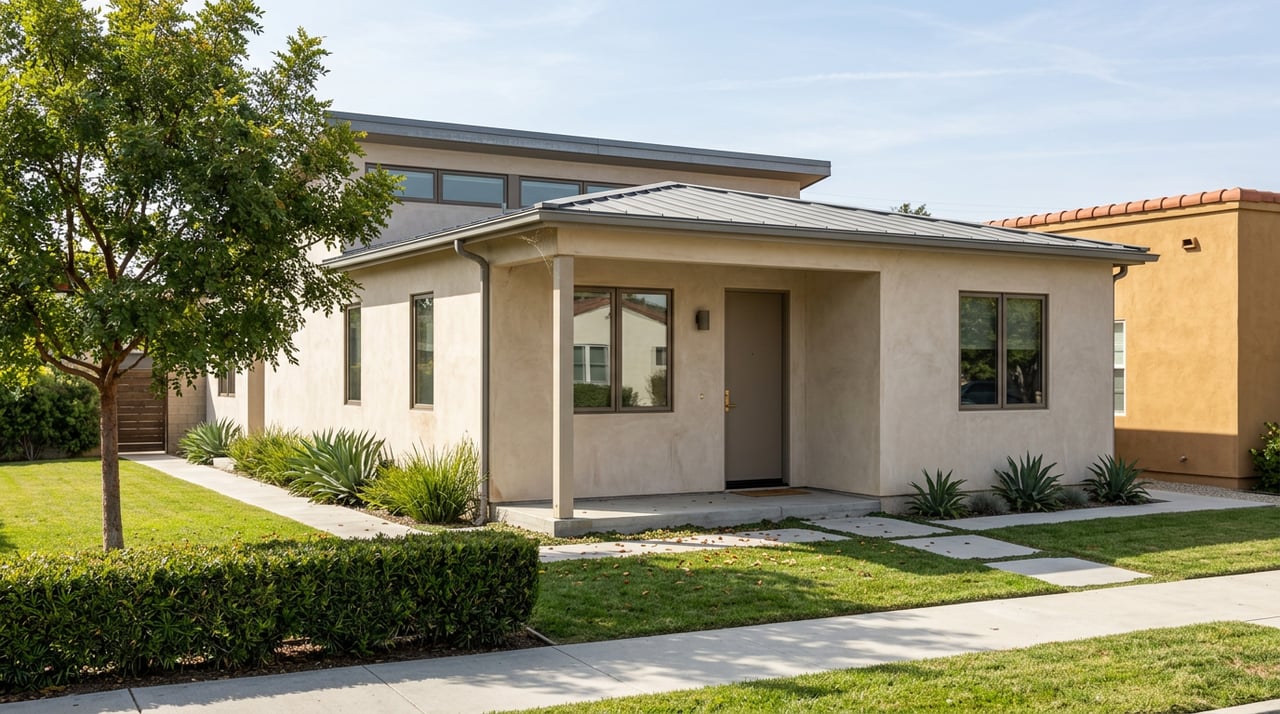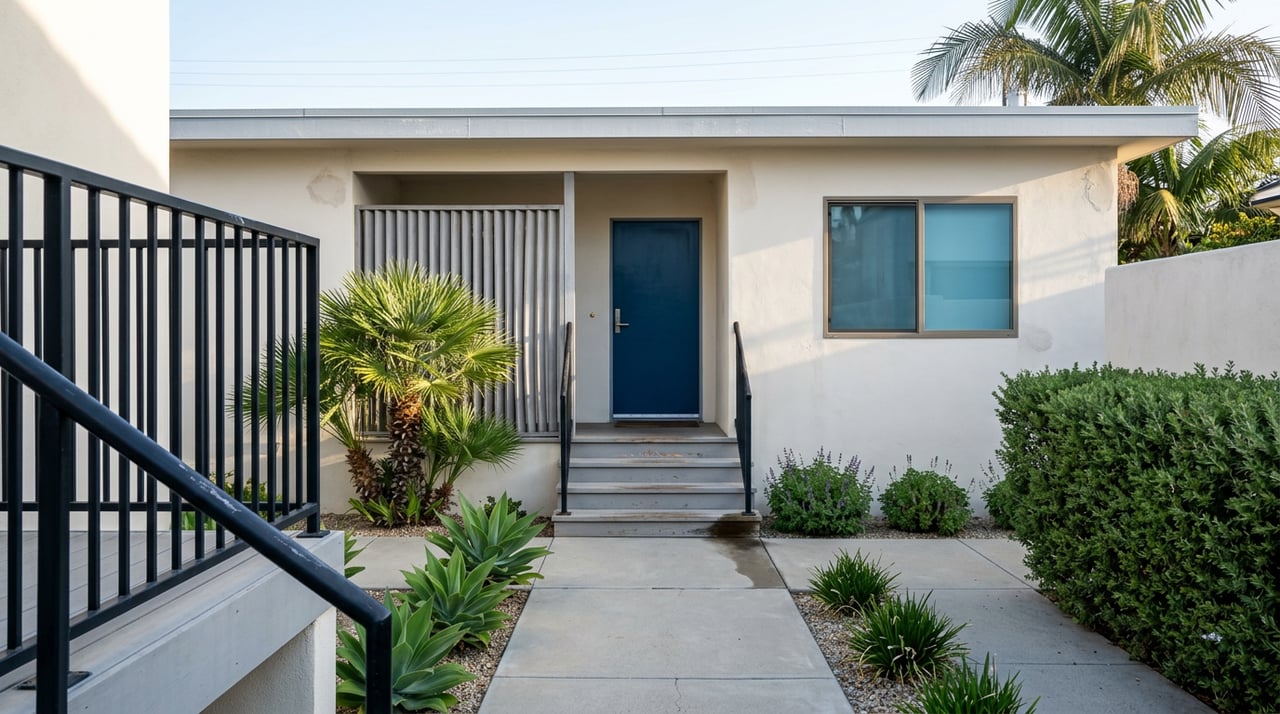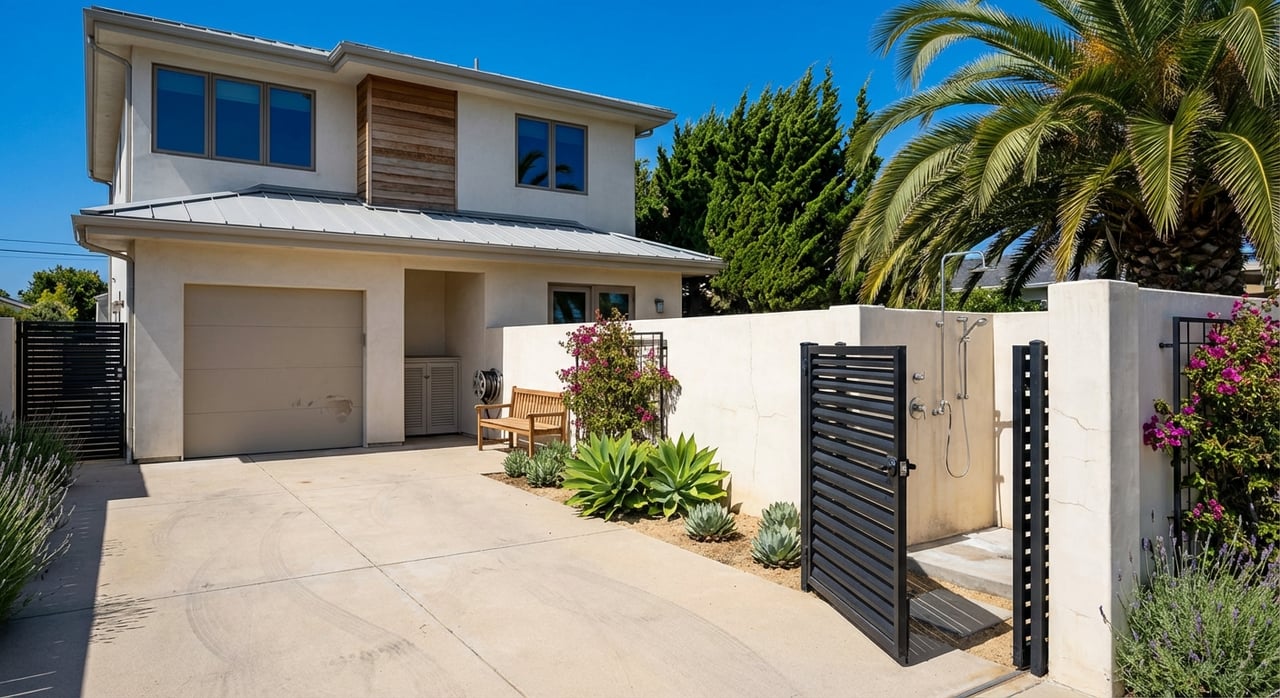
Picture your week splitting in two: busy weekdays, then a quick escape to ocean air, pier strolls, and sunset dinners. That is the draw of a Pismo Beach second home. The lifestyle is real and rewarding, but owning here also comes with rules, seasonal rhythms, and coastal upkeep you should plan for. In this guide, you will learn how Pismo’s regulations work, what it costs to maintain a beach house, how events shape your calendar, and the key steps to buy with confidence. Let’s dive in.
The second‑home lifestyle, day to day
How you will likely use it
Most owners use a Pismo Beach second home as a weekend or long‑weekend base, an occasional month‑long retreat in winter or spring, or a flexible work‑from‑the‑beach setup. You can host extended family and make it a hub for multigenerational vacations. Some owners aim to rent at times to offset costs, but local rules limit that option in many neighborhoods. You will want to understand those limits before you buy.
What your calendar looks like
Summer, holiday weekends, and school breaks are the high‑demand windows. Fall brings an easygoing pace, then winter steadies with sunny days between Pacific storms. The town’s signature events add spikes, especially the annual Clam Festival in October, which draws visitors and energy to the downtown and pier area. You will also see a seasonal rhythm during Monarch Butterfly months in late fall and winter.
Events that shape demand
Pismo’s calendar influences availability and pricing if you plan to host guests or visiting family. The third‑weekend October Clam Festival is a marquee weekend that fills town fast. If you like to plan ahead, check the city calendar and book trades and cleaners early around event weeks. For context, explore the city’s Clam Festival overview.
Renting it out: rules you must know
Short‑term rentals in plain English
Pismo Beach separates vacation rentals, short‑term rentals, and homestays, and requires Planning approval before you can get a business license or transient occupancy tax certificate. Hosting platforms must follow city rules, and owners must register with the City. If renting in the short‑term is part of your plan, start by reviewing the City’s Short‑Term Rental Permit guidance and confirm what your specific property and zoning allow.
The city’s license cap
The municipal code sets a hard cap on short‑term and homestay licenses and explains that no new applications are accepted for properties without an existing license after December 5, 2023. The code also notes the City’s intent to reduce licenses over time through attrition. In practice, that means it is very difficult to start a new short‑term rental in most neighborhoods. Read the cap details in PBMC 5.22.130 and confirm the status of any address you are considering.
Taxes and assessments on short stays
If your home is a permitted vacation rental or STR, guests pay the City’s 11 percent transient occupancy tax plus assessments the City collects and remits, including a 2 percent lodging business improvement district assessment and a 1.5 percent County tourism assessment. As the owner or operator, you register for a business license and a TOT certificate and file remittances monthly. Review the City’s official Lodging Businesses page for current rates, forms, and contacts.
If you compare Pismo Beach to homes outside city limits, note that unincorporated areas of San Luis Obispo County use the County program, which has different tax levels. You can see the countywide structure on the County TOT program page.
Costs and upkeep unique to the coast
What wears out faster by the ocean
Salt air, wind, and a marine climate accelerate corrosion on railings, fasteners, locks, and HVAC coils. You will likely rinse and clean exterior surfaces more often, seal decks more frequently, and schedule roof and gutter checks after winter storms. Many coastal advisers suggest planning a maintenance budget of about 1 to 3 percent of your home’s value per year depending on exposure and finishes. For a helpful primer on coastal upkeep and budgeting, see this overview of coastal home maintenance considerations.
Insurance for a second home
- Flood coverage is not part of a standard homeowners policy. A lender may require flood insurance if your property is in a mapped flood hazard area. Before you write an offer, review the parcel’s status using the City’s FEMA Flood Map resources and get quotes for NFIP or private flood policies.
- Earthquake damage is not covered by a standard policy either. In California, you can discuss earthquake insurance options that are offered through participating insurers administered by the California Earthquake Authority. Learn more from the California Department of Insurance.
- Many policies limit or change coverage if a home is left vacant beyond a set period, often 30 to 60 days. Ask your insurer about second‑home or vacancy endorsements and notify them before long absences. For background on vacancy clauses, review the Insurance Information Institute’s guidance on insuring a vacant home.
HOAs and rental rules
If your second home is in a condo or planned community, the HOA’s CC&Rs may include rental caps, minimum stay lengths, or permit requirements. State law shapes what HOAs can restrict, and coastal‑zone communities may have additional considerations. Always read the CC&Rs and recent meeting minutes during due diligence. For a clear overview of common HOA rental rules in California, consult the Davis‑Stirling resource.
Risks and long‑term planning
Coastal hazards and future approvals
Pismo Beach is updating its General Plan and Local Coastal Program and has studied sea‑level rise, bluff retreat, erosion, and storm flooding. If you are eyeing a bluff‑top property or plan future construction, expect additional geotechnical review and careful permitting, and understand that shoreline protection projects can face close scrutiny. You can follow the City’s planning work on the General Plan and Local Coastal Program update page.
Make a plan for access and support
If you live out of area, line up a trusted local contact or property manager who can respond 24/7, manage cleanings, and check the home after storms. Create a vendor list for routine service and emergencies, and schedule recurring HVAC and exterior maintenance. If you intend to host permitted guests, document your house rules, noise expectations, and trash pickup details to keep things smooth.
Quick due‑diligence checklist
Use this list to move from dream to decision with fewer surprises:
- Confirm whether the address is eligible for a vacation rental or has an existing, valid STR or homestay license. Start with the City’s Short‑Term Rental Permit page and contact Planning to verify.
- Read the municipal code section on the short‑term rental and homestay cap, and confirm if any replacement rules apply to the specific property.
- Pull the FEMA FIRM panel for the parcel, then obtain quotes for homeowners, flood, earthquake, and any vacancy or second‑home endorsements. Ask a lender whether flood insurance will be required.
- Review HOA CC&Rs and recent minutes for rental and remodeling rules, and check for any upcoming changes under discussion.
- Budget for coastal maintenance, including more frequent exterior washing, repainting, deck sealing, and biannual HVAC servicing. Ask local managers or trades for current pricing.
- If renting is allowed, register for the business license and TOT certificate and set up monthly remittance. Understand that TOT plus local assessments will add materially to guest charges.
How Pismo compares on lifestyle
You get a compact, beach‑forward home base with easy access to downtown, the pier, and coastal paths. San Luis Obispo services are close by, and regional wine country is within a comfortable drive. That mix makes Pismo a flexible second‑home choice for quick escapes and longer stays with visiting friends and family. The key is to pair the lifestyle vision with a clear plan for rules, insurance, and upkeep.
A smarter path to your Pismo retreat
Owning a second home in Pismo Beach can be simple if you line up the details early. Understand the short‑term rental cap before you count on rental income. Check flood and earthquake coverage, and budget a bit more for coastal maintenance. If the property sits near the bluffs, factor in future permitting realities. With the right plan, you can enjoy the sun and surf, then lock the door feeling confident about what comes next.
Ready to explore homes that fit your lifestyle and your numbers? Reach out to Jordan Jackson to map your options, review permit paths, and design a second‑home plan that works.
FAQs
Can I get a new short‑term rental license in Pismo Beach?
- The City is not accepting new short‑term or homestay license applications for properties without an existing license, and the municipal code describes a plan to reduce licenses over time through attrition.
How much will guests pay in taxes if I rent my home short‑term?
- For permitted STRs and vacation rentals, guests typically pay the City’s 11 percent transient occupancy tax plus local assessments collected by the City, which adds materially to the total. Owners must register and remit monthly.
Do I need flood or earthquake insurance on a Pismo Beach second home?
- Flood and earthquake are not included in standard homeowners policies. Check FEMA maps for your parcel, get quotes from insurers, and consider earthquake coverage options available through participating insurers.
What happens if my second home sits vacant for more than a month?
- Many policies limit or alter coverage after a set vacancy period, often around 30 to 60 days. Ask your insurer about second‑home or vacancy endorsements and notify them before long absences.
Are HOAs in Pismo Beach allowed to restrict rentals?
- Many HOAs set minimum stay lengths, caps, or permit rules within their CC&Rs, subject to state law. Always review the governing documents and recent minutes before you buy.
Do coastal hazards affect remodeling or future work on a bluff‑top home?
- Yes. Bluff‑adjacent properties can face added geotechnical review and limited shoreline protection options. Expect close permitting review tied to the City’s Local Coastal Program and state coastal policies.