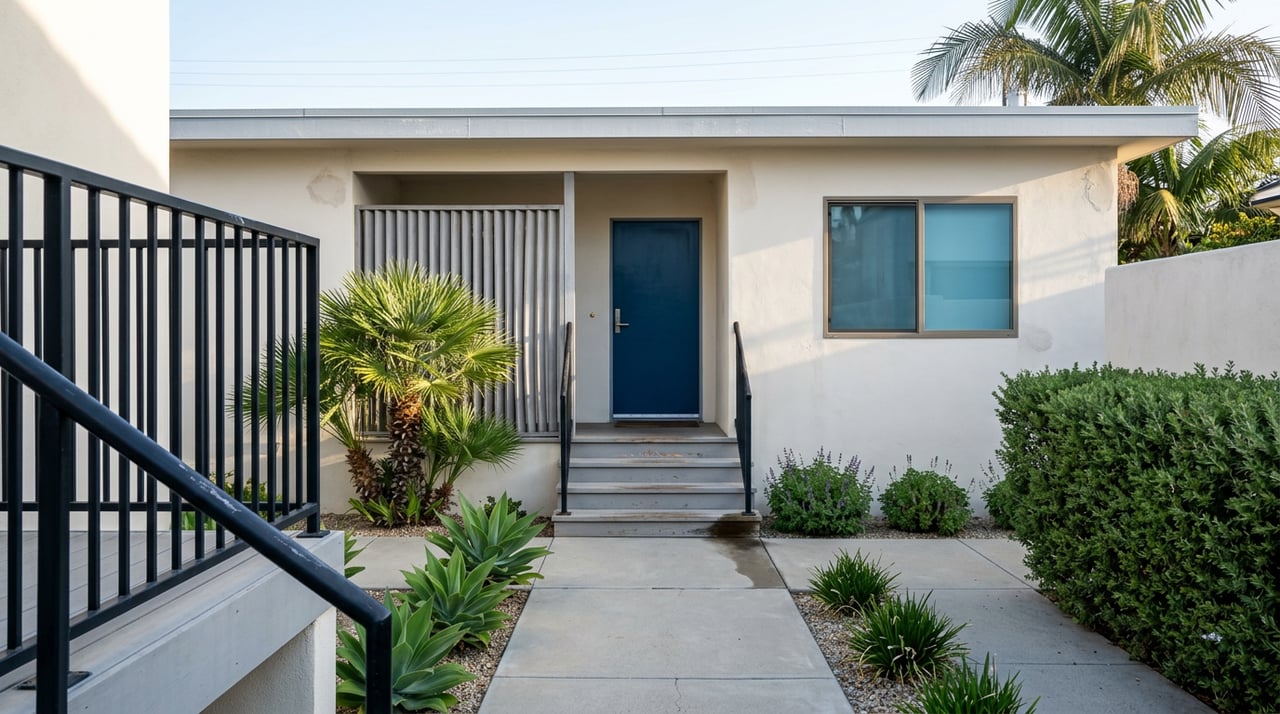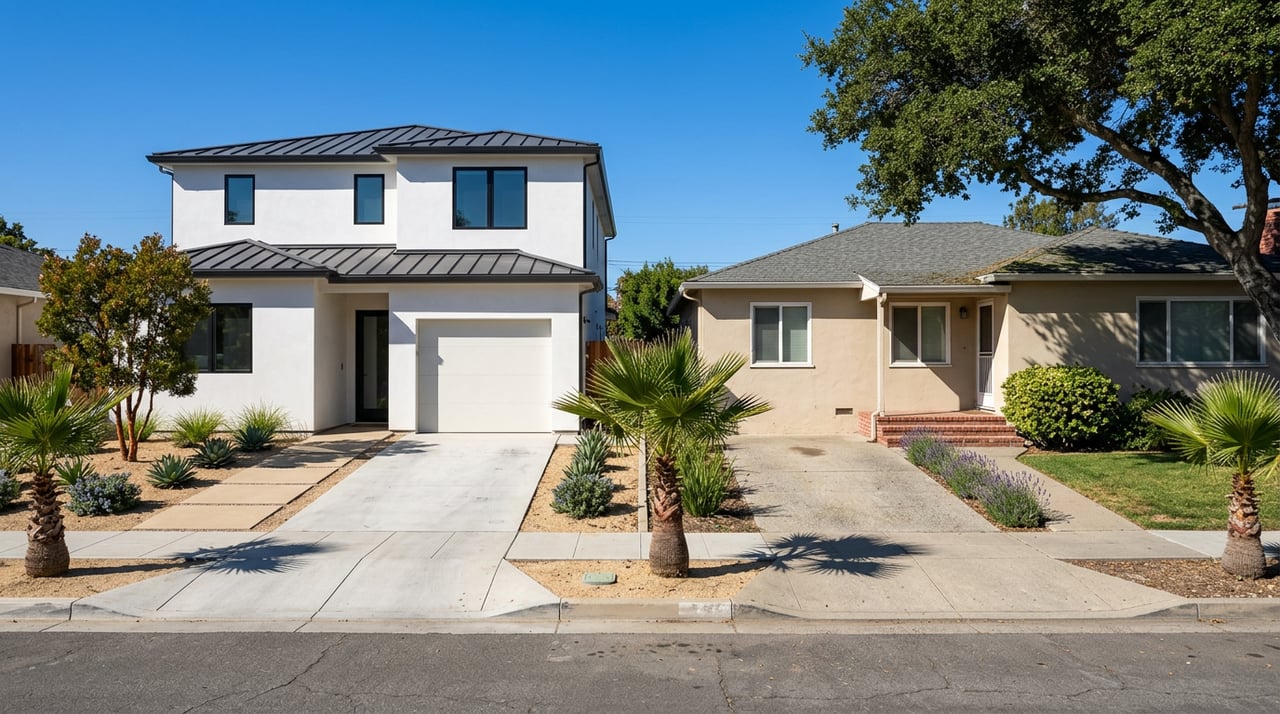
Should you buy a brand-new home or a classic Arroyo Grande property with mature trees and character details? It is a big decision, and the best choice depends on how you live, your budget, and how much time you want to spend on projects after closing. In this guide, you will learn how new construction and established homes compare on lot size, architecture, maintenance, customization, financing, warranties, and the steps to evaluate each path with confidence. Let’s dive in.
Quick market reality
Arroyo Grande is a high-value Central Coast market, with recent aggregated data placing the median sale price in the low seven digits. In this price range, lot premiums, HOA dues, and upgrade choices on new homes can move your total cost quickly. Older homes may look more affordable at first but can require near-term work. Your goal is to compare the full cost of ownership, not just the list price.
Lot size and neighborhood feel
Estate acreage and privacy
East Arroyo Grande has estate-style neighborhoods with larger parcels and a rural feel. In areas like Varian Ranch, many lots are roughly 0.7 to 1.3 acres, offering privacy, room for gardens or small hobby vines, and space between neighbors. You trade some convenience for land, views, and mature landscapes. These communities may have HOAs that manage shared ranch amenities, so review dues and rules carefully.
Planned communities and amenities
Newer master-planned neighborhoods, such as Cypress Ridge, typically feature single-family lots around 8,000 to 10,000 square feet. You often get gated entries, pocket parks, a golf-course setting, and consistent streetscapes. These communities usually have HOAs that cover common-area maintenance and neighborhood standards. The tradeoff is less land per home compared with estate areas, offset by amenities and a clean, cohesive look.
Village character and walkability
Arroyo Grande’s historic Village offers older homes with period details, shorter front setbacks, and a human-scaled, walkable setting near shops and community events. If you value a small-town public realm and architectural variety, this area shines. Expect smaller or irregular lots and older systems that may need updates. For a feel of the local arts and culture energy, explore the broader Central Coast scene highlighted in the region’s arts and culture guide.
Architecture and layouts
New construction design
New builds tend to deliver open layouts, modern kitchens, and integrated systems from day one. They also comply with current California energy standards. That often means better insulation, efficient HVAC, and solar requirements set by the state’s energy code. If lower operating costs and modern features matter most, new homes check many boxes. Learn more about energy standards from the state’s Building Energy Efficiency Standards.
Established-home character
Older homes bring variety: mature trees, unique facades, custom millwork, and layouts you do not always see in today’s production housing. You can preserve character and update over time, often capturing value through smart renovations. The flip side is less predictability in floor plans and the potential to uncover surprises when you open walls.
Maintenance and operating costs
What to expect with new homes
New construction usually needs fewer immediate repairs. Major components are fresh, and you benefit from modern building and energy codes. That can mean more efficient HVAC, tighter building envelopes, and solar that offsets part of your utility load. Still, most new homes have minor “punch-list” items in the first year as materials settle. Document these during your walkthroughs so the builder can address them.
What to expect with established homes
With older properties, plan for near-term capital items. Typical component lifespans to keep in mind include central AC and furnaces at roughly 12 to 20 years, conventional tank water heaters around 8 to 12 years, and asphalt roofs about 15 to 30 years depending on product and climate. These are general ranges that help you budget for replacements. A practical reference on common lifespans is available here: typical HVAC and water heater cycles.
Local pest considerations matter too. The Central Coast has termite activity, so you should order a wood-destroying organism (WDO) inspection during escrow and budget for treatment if needed. See regional coverage details from a local termite provider. For a sense of potential inspection cost ranges, review this San Luis Obispo termite inspection cost overview.
Customization and timing
Buying new: options and deadlines
If you contract early, you often get real choice in finishes and some layout elements. Think flooring, tile, fixture packages, cabinetry, and sometimes room-location tweaks. Builders work in stages, so selection windows are real. After certain milestones, change orders can be expensive and delay closing. Also expect clear rules about warranty service and how changes are approved. Ask for all selection deadlines, allowance schedules, and change-order policies in writing.
Buying established: renovate your way
With an existing home, you control the timeline and the contractor roster. You can phase projects to fit your budget, preserving character and upgrading kitchens or baths over time. The downside is uncertainty. Opening walls can reveal older wiring, plumbing, or framing that needs attention. Plan for contingencies and consider temporary housing if you take on larger remodels after closing.
Financing and negotiation
Finished new homes and resales
Completed new homes usually finance like any resale with a standard mortgage. Builders sometimes offer incentives such as closing cost credits, appliance packages, or interest rate buydowns through a preferred lender. These can be attractive, but always compare quotes with an independent lender to confirm the net benefit.
Homes early in the build process
If you are buying before completion, you might need construction financing. Two common structures:
- Single-close construction-to-permanent: one closing, one set of closing costs, and the loan converts to a standard mortgage at completion. Learn more in this overview of construction-to-permanent loans and draw schedules.
- Two-close construction then permanent: two separate closings. This can raise your total closing costs but gives flexibility to shop the final mortgage later. Terms, locks, and underwriting vary by lender, so get experienced guidance early.
Appraisals and comps
In brand-new areas or custom builds, comparable sales may be limited. If the appraisal comes in low, it can affect your loan amount and require negotiation or a larger down payment. Ask the builder for recent model sales or phase comps to support valuation.
Warranties and protections
Typical builder coverage
Many builders use a “1-2-10” pattern: one year for workmanship and finishes, two years for electrical, plumbing, and HVAC distribution, and ten years for major structural defects. Always confirm whether your structural coverage is insurance-backed by a third party or only a builder promise. See a common framework described by a warranty provider here: 1-2-10 style coverage.
California’s SB 800 Right to Repair
California’s SB 800 sets performance standards, outlines pre-litigation inspection steps, and includes a ten-year statute of repose for latent construction defects on newly built homes first sold on or after January 1, 2003. If you ever have a defect dispute, the statute’s timelines and repair procedures matter. You can review the statutory text here: SB 800 Right to Repair Act.
How to evaluate any builder warranty
- Confirm written terms: start date, covered items, exclusions, and whether structural coverage is insurance-backed. A practical overview is here: builder warranty basics.
- Check transferability: ask if the warranty transfers to the next owner and whether a fee or registration is required.
- Understand the claims process: who inspects, expected timelines, and who performs repairs. SB 800 outlines notice and inspection procedures for disputes.
- Verify the builder: look up licensing and complaint history through the Contractors State License Board, and review local permit records to confirm that work was inspected.
HOAs, microclimate, and schools
Many newer planned neighborhoods include HOAs that maintain common areas and set community standards. In Arroyo Grande, example dues can vary by community and amenities, sometimes in the low hundreds per month. Estate-style communities may have higher dues tied to ranch-style amenities. Always request the HOA CC&Rs, budget, and reserve study to understand true ongoing costs.
Arroyo Grande sits in a coastal-influenced microclimate. Fog and sea breezes can affect comfort, garden choices, and solar production. Lot orientation, view corridors, and exposure all influence how a home lives day to day.
For schools, Arroyo Grande is served by the Lucia Mar Unified School District. If proximity to a specific campus matters, confirm current boundaries and program details through the district’s site: Lucia Mar Unified information. Use neutral criteria like commute time and program offerings when comparing locations.
Step-by-step: choosing your path
Clarify what matters most. Do you want acreage and privacy or modern finishes and a tight-knit, amenity-rich community? Thinking in terms of a Varian Ranch style experience versus a Cypress Ridge style convenience can sharpen your priorities.
If you are exploring new construction:
- Request the builder’s warranty booklet and confirm if structural coverage is insurance-backed. Ask for a plain-English explanation of SB 800 procedures. Review a common warranty structure here: builder warranty overview and the statute text here: SB 800.
- Get the selection schedule, change-order policy, and all allowances in writing.
- Ask for HOA CC&Rs, budgets, and the reserve study if applicable.
- Request recent comparable sales for the models and any available punch-list documentation from earlier phases.
- If you prefer established homes:
- Order a general inspection plus targeted inspections: roof, pest/WDO, HVAC, and sewer or septic if applicable. If your inspector flags settlement concerns, consider a structural engineer. For local cost ranges on WDO inspections, preview this termite inspection cost guide.
- Verify financing early:
- If construction financing is likely, consult lenders who offer one-time-close and two-close products. This overview explains structures and draws: construction-to-permanent loan guide.
- Check licensing and permits:
- Confirm the builder or contractor through the CSLB consumer portal. Review city permit records for completed work and inspection history.
- Get legal review when needed:
- For complex builder contracts, unusual lot premiums, or warranty transfer questions, a real estate attorney can help protect your position.
Which path fits your goals
Choose new construction if you want lower near-term maintenance, modern layouts, and energy-efficient systems built to current standards. Be ready to navigate selection windows and evaluate HOA rules and dues. Pick an established home if you value land, architectural variety, and the freedom to renovate on your terms. Budget for inspections and phased updates, and lean on professionals to estimate big-ticket items.
If you want a second set of eyes on value, timelines, and the design potential of specific properties in Arroyo Grande, reach out. You will get clear guidance on neighborhoods, warranties, financing paths, and negotiation strategy. Start the conversation with Jordan Jackson.
FAQs
What is the biggest cost difference in Arroyo Grande?
- New homes can add cost through lot premiums, HOAs, and upgrades, while older homes may need near-term repairs that affect total ownership cost.
How do HOA fees affect newer communities?
- HOAs typically cover common-area upkeep and community standards; dues vary by amenities, so review CC&Rs, budgets, and reserve studies before you commit.
What inspections matter most for older homes in this area?
- Order a general inspection plus targeted roof, pest/WDO, HVAC, and sewer or septic checks; plan for a structural engineer if settlement is suspected.
How do new-home warranties work in California?
- Many builders follow a 1-2-10 pattern and California’s SB 800 sets defect standards and repair procedures; get the warranty booklet and processes in writing.
What if I am buying a home that is not finished yet?
- You may need construction financing; compare single-close construction-to-permanent loans with two-close structures to understand costs and flexibility.
How can I confirm a builder’s credibility?
- Check licensing and any complaints through the Contractors State License Board and review permit records to confirm inspections and approved work.