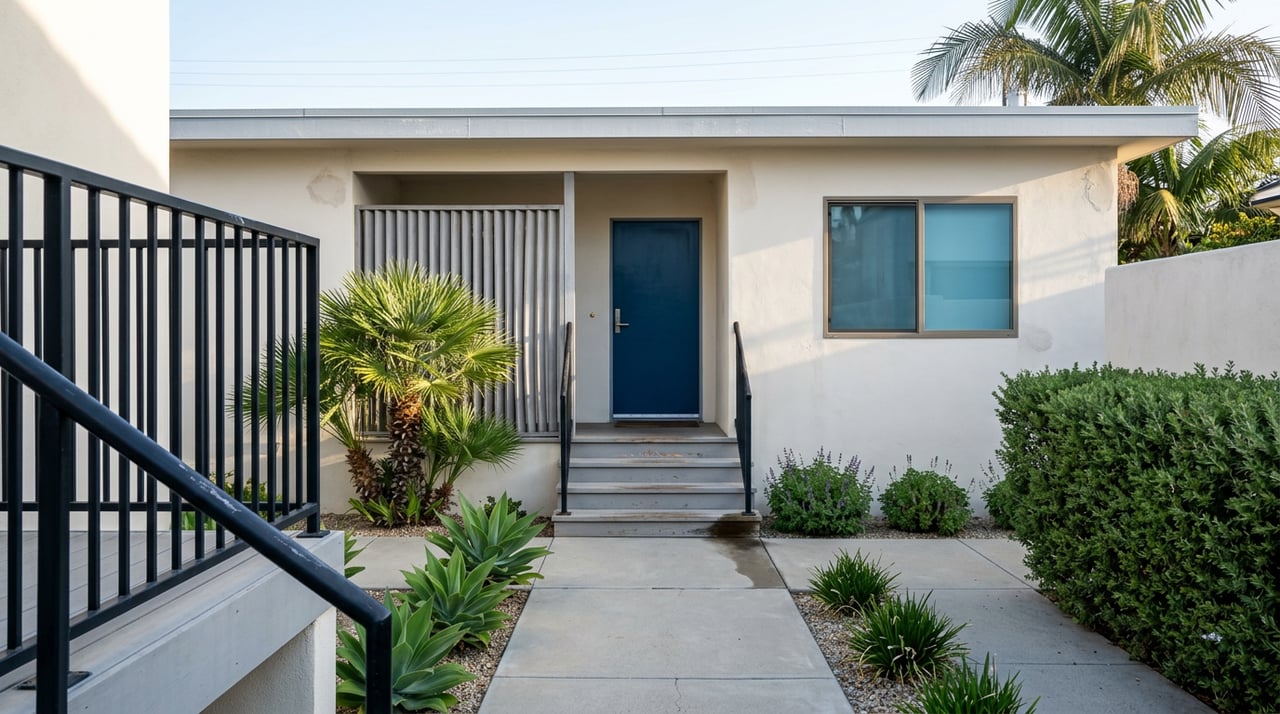
Dreaming about a Pismo Beach second home is easy. Keeping that home simple to own between visits takes a lot more thought. If you want a place that feels relaxed when you arrive, cleans up fast, and holds up well in a coastal setting, smart design choices matter from day one. Here’s how to think about a low-maintenance second home in Pismo Beach and what details can make ownership easier over time.
Why Pismo Beach design needs a coastal mindset
Pismo Beach offers the kind of weather that draws second-home buyers for good reason. The city’s environmental review describes the area as Mediterranean to semi-arid, with about 17.8 inches of annual rainfall and average temperatures around 69°F and 48°F through the year. That sounds mild, but mild does not mean maintenance-free.
Local conditions still put pressure on a home’s finishes and systems. Marine layer conditions are most likely from April through August, and summer onshore winds can bring in overcast mornings and moisture even when temperatures stay comfortable. Add seasonal winds, salt exposure, and sand from the coastline, and it becomes clear why a Pismo Beach home should be designed for durability first.
The broader setting matters too. The Pismo and Oceano Dunes area includes an eight-mile sandy coastline, 4,800 acres of dunes, and more than 2.6 million annual visitors. Pismo Beach planning documents also identify bluff erosion as a long-standing hazard and include sea-level-rise vulnerability and adaptation planning, which makes durable materials and easy inspection especially relevant in this market.
Focus on durability outside
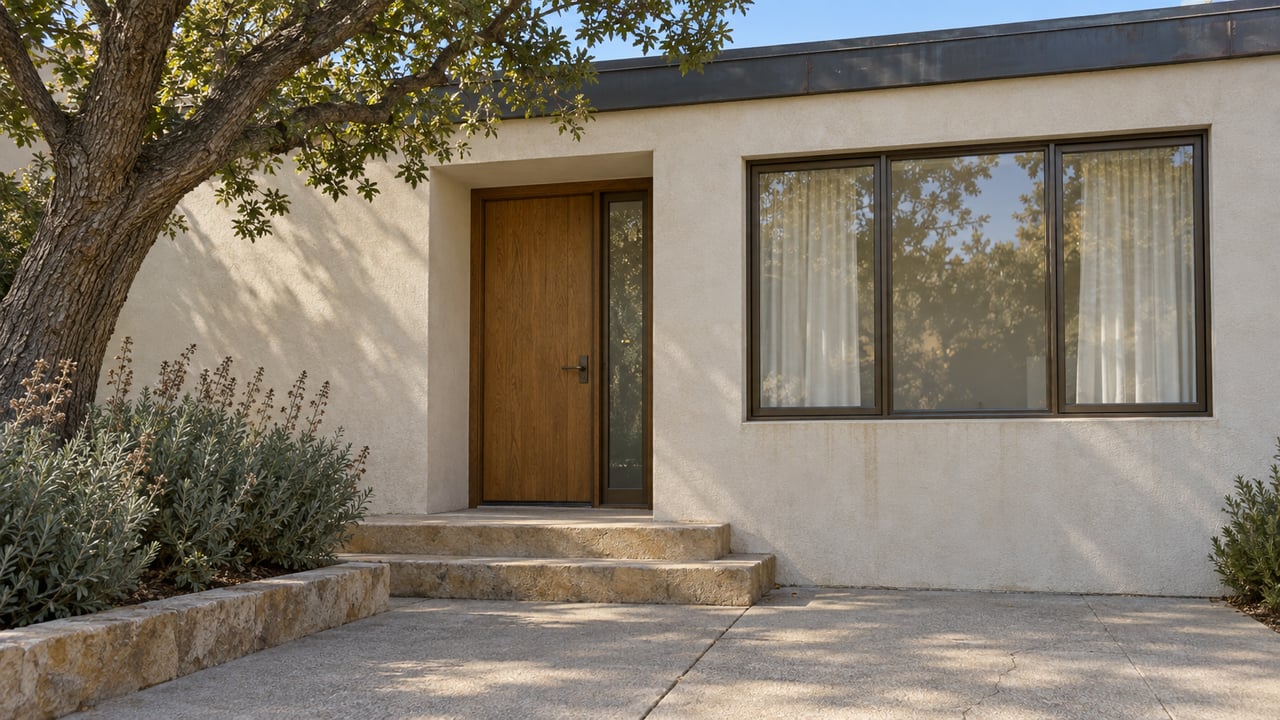
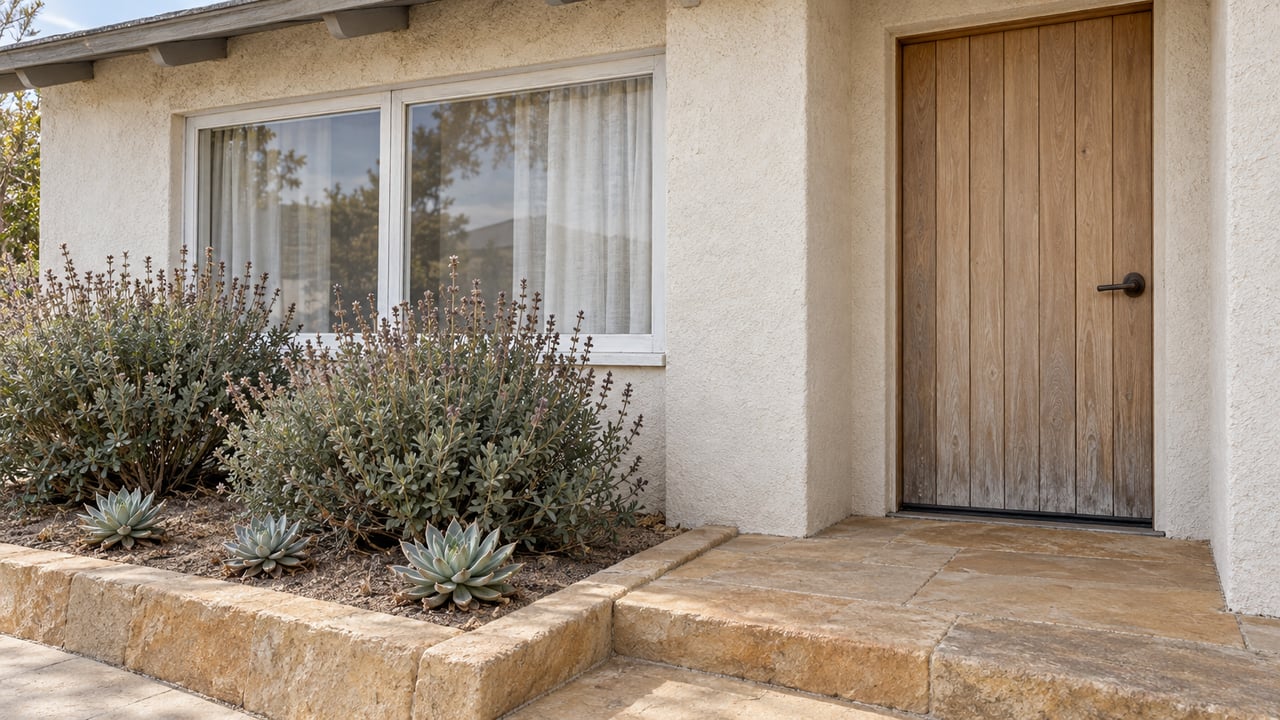
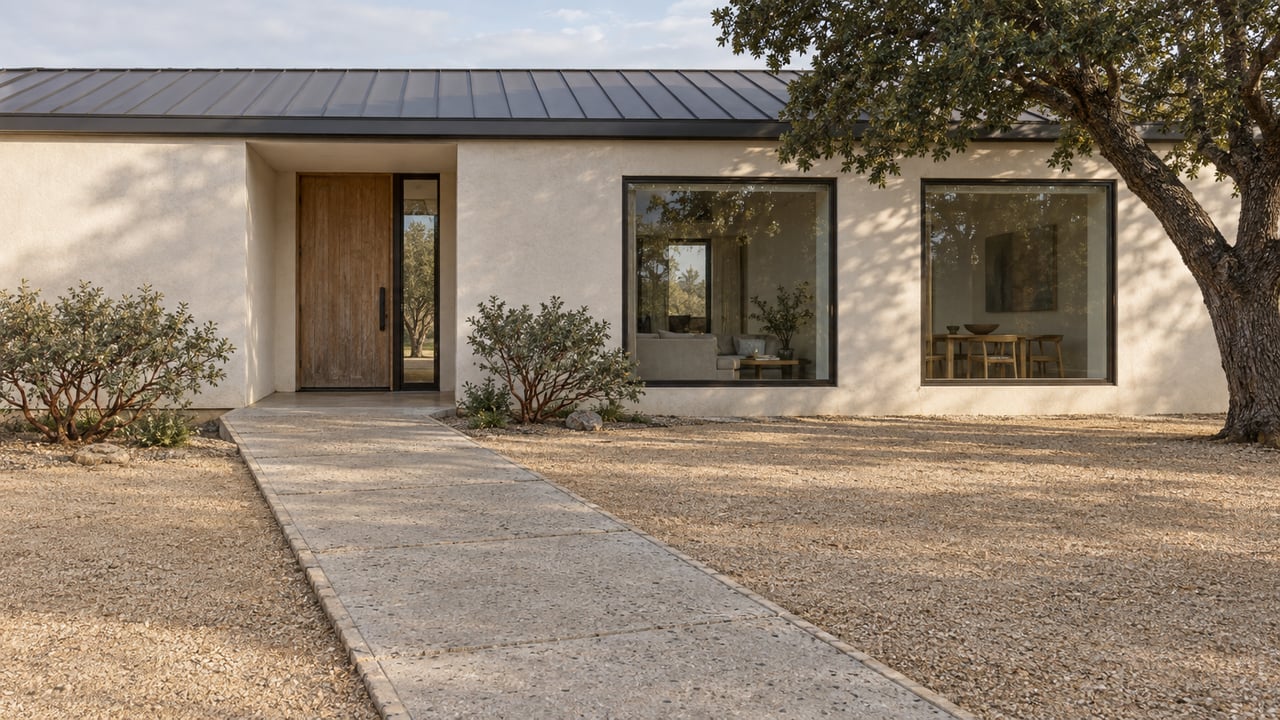
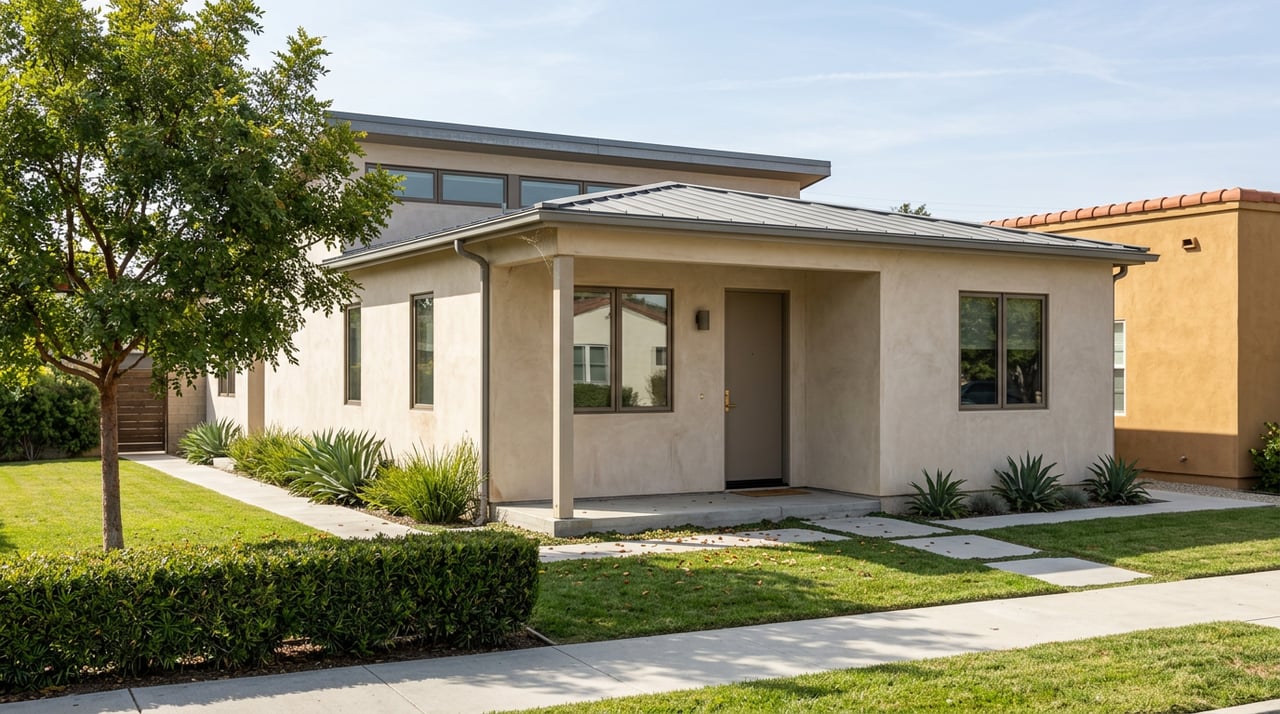
A low-maintenance second home starts with the exterior. In a coastal environment, you are not just choosing what looks good on move-in day. You are choosing what can better handle salt, wind, intermittent moisture, and regular exposure over time.
FEMA’s coastal guidance notes that salt spray and onshore winds can speed up metal corrosion significantly. It also recommends stainless steel where rapid corrosion is expected. That matters not only for visible details, but also for the hidden parts of the home that are easy to overlook during a showing.
Prioritize corrosion-resistant hardware
Exterior hardware does a lot of quiet work. Fasteners, connectors, mounting hardware, and metal components around doors, windows, and railings all affect how well a home ages near the coast. FEMA notes that exposed metal fasteners in coastal areas can corrode within a few years, even when galvanized.
If you are comparing properties or planning updates, pay attention to whether the home uses corrosion-resistant components in the places where weather hits hardest. A polished finish is helpful, but the real value often sits behind the scenes in the materials that support long-term performance.
Keep exterior details simple
Simple details are often easier to maintain. Railings, trim profiles, and exterior features with fewer joints and crevices tend to collect less grime and can be easier to clean after windy or sandy days.
This does not mean a home has to feel plain. It means the design should work with the coast rather than fight it. Straightforward exterior assemblies, durable window and door components, and finishes that can handle occasional rinsing are usually a practical fit for a Pismo Beach second home.
Choose floors that handle sand well
Inside the home, flooring is one of the biggest day-to-day maintenance decisions. In a beach setting, you want surfaces that can handle sandy shoes, wet feet, salty towels, and frequent cleanup without becoming high-stress.
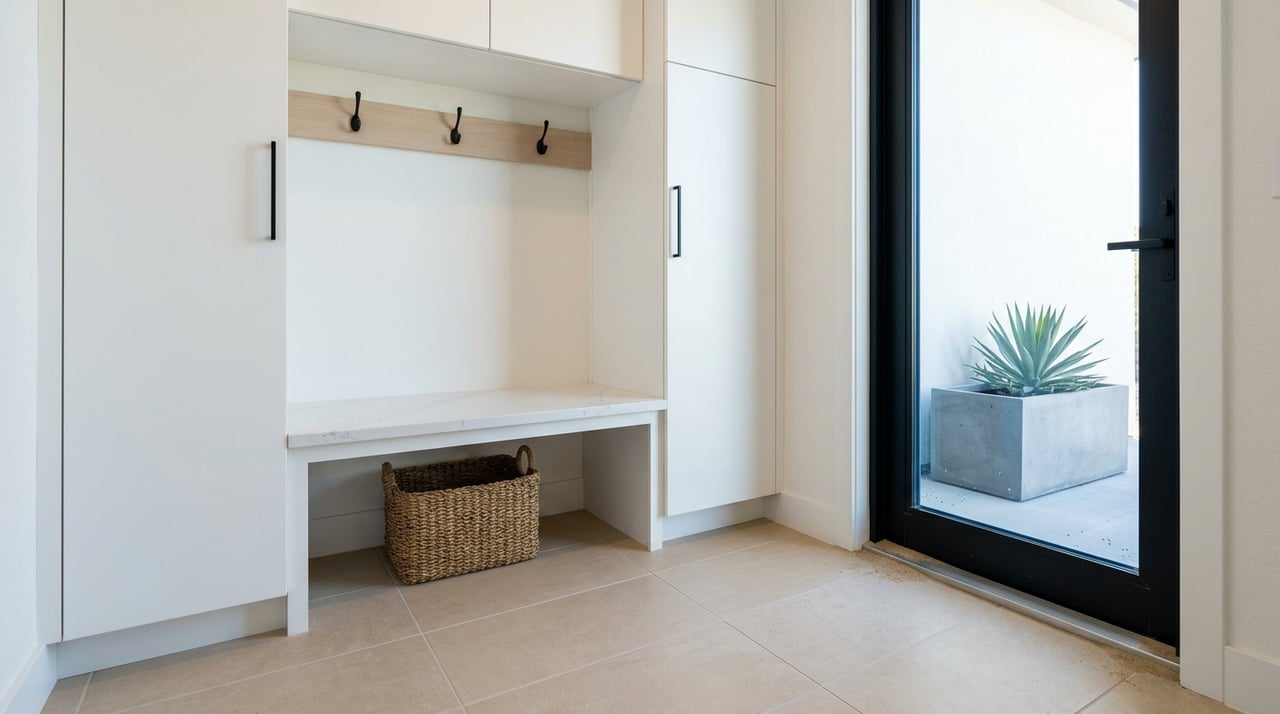
Porcelain tile is a strong benchmark for these areas. ASTM and TCNA describe porcelain as ceramic tile with water absorption of 0.5% or less, which makes it a logical option for entries, bathrooms, laundry rooms, and other spaces that regularly see moisture and grit.
Put durable flooring in high-use zones
You do not need to use the same flooring everywhere. In many second homes, the smartest move is to place lower-absorption, easier-clean materials in the zones that take the most wear.
That often includes:
- Entry areas
- Bathrooms
- Laundry spaces
- Mudroom-style drop zones
- Areas near outdoor access points
This kind of flooring plan helps the home recover faster after a beach day. It also reduces the amount of fuss between visits, which is a major benefit if you want true lock-and-leave convenience.
Build around moisture control
Moisture control is one of the most important parts of low-maintenance living near the coast. EPA guidance says the key to mold prevention is controlling moisture, and it recommends keeping indoor humidity between 30% and 60%. The agency also advises venting bathrooms and other moisture-generating spaces to the outside.
For a second home, this matters even more because the property may sit vacant between stays. A home that traps moisture can feel stale when you return, and small issues may have more time to grow into larger ones.
Vent bathrooms and wet areas well
Bathrooms, laundry rooms, and any area that generates steam or dampness should be set up to vent outdoors. DOE guidance notes that bathroom exhaust fans can remove moisture and vent it outside, which supports comfort and helps reduce moisture-related issues.
If you are evaluating a property, it is worth looking beyond finishes and asking how the home manages moisture. Good ventilation may not be flashy, but it supports a cleaner, easier ownership experience.
Respond to dampness quickly
EPA also advises that damp materials should be cleaned and dried within 24 to 48 hours to help prevent mold growth. That makes easy-to-clean materials and visible, accessible surfaces more valuable in a second home.
In practical terms, a low-maintenance design makes cleanup easier after a busy weekend or a period of vacancy. The less hidden moisture the home can trap, the easier it is to reset and enjoy on your next visit.
Make storage part of the design
One of the simplest ways to reduce mess in a beach house is to create better storage where mess first enters. Sand, towels, bags, shoes, and outerwear all need a place to land. If they do not have one, they end up spread through the house.
A defined entry zone can make a big difference. For a second home, this kind of layout helps the property feel orderly faster, especially if multiple guests are coming and going over a weekend.
Create a beach-entry routine
A practical storage plan may include:
- Closed storage for beach gear
- Easy-access spots for shoes and towels
- Washable baskets or bins
- Hooks for bags and outer layers
- A bench or landing spot near the entrance
An exterior rinse point or outdoor shower also fits naturally with how homes near the beach are actually used. It helps keep sand outside where possible and makes interior cleanup much easier.
Pick furnishings that are easy to reset
A second home should not feel precious. It should feel comfortable, inviting, and easy to put back in order after a weekend stay. That is why furniture and soft finishes matter just as much as flooring or hardware.
Washable or removable covers can make a home easier to maintain without giving up comfort. Furnishings with raised legs can also help with cleaning by making it easier to sweep or vacuum underneath.
Think cleanable, not complicated
When choosing furniture and decor, aim for pieces that can handle regular use and quick turnover. In a coastal second home, that often means choosing materials and layouts that make cleanup simple rather than delicate.
Useful principles include:
- Removable or washable fabric covers
- Furniture with clearance underneath
- Less clutter on floors and surfaces
- Closed storage over open overflow
- Durable finishes in high-touch areas
These choices support a home that stays visually fresh with less effort. They also align well with Jordan Jackson’s design-forward approach, where good design is not just about appearance, but about how a property performs over time.
Why low-maintenance design supports value
In Pismo Beach, durability is more than a convenience feature. It is part of smart ownership. When a home is easier to clean, ventilate, and inspect, it is often easier to keep in strong condition between visits.
That matters in a coastal market shaped by corrosion, sand, moisture, bluff erosion, and long-term sea-level-rise planning. A home with practical materials and simpler upkeep may be better positioned to stay appealing and reduce the chances of urgent maintenance surprises.
For buyers, this is where design and value overlap. The right second home is not just beautiful on showing day. It should also support the lifestyle you want without creating a long to-do list every time you arrive.
What to notice when touring homes
If you are shopping for a second home in Pismo Beach, it helps to tour with a durability lens. You are not just evaluating style, views, or layout. You are also looking at how much effort the home may require in a coastal setting.
As you compare properties, consider asking:
- Do exterior components appear designed for coastal exposure?
- Are there simple, easy-clean surfaces in entry and wet areas?
- How does the home handle bathroom and indoor moisture?
- Is there a defined place for beach gear and sandy items?
- Do the finishes support a lock-and-leave lifestyle?
These questions can reveal a lot about ownership experience. They can also help you separate a home that photographs well from one that truly works well.
If you are weighing second-home options in Pismo Beach, a design-informed advisor can help you look beyond surface appeal and evaluate how a property may function over time. For guidance on finding a coastal home that balances lifestyle, durability, and long-term value, connect with Jordan Jackson.
FAQs
What makes a Pismo Beach second home low-maintenance?
- A low-maintenance Pismo Beach second home is designed around coastal conditions like salt, sand, wind, and intermittent moisture, with durable exterior components, easy-clean flooring, solid ventilation, and practical storage.
Why is porcelain tile useful in a Pismo Beach beach house?
- Porcelain tile has water absorption of 0.5% or less, which makes it a practical flooring choice for entries, bathrooms, laundry rooms, and other areas that see wet feet, sand, and frequent cleanup.
Why does moisture control matter in a Pismo Beach second home?
- Moisture control helps reduce the risk of mold and supports comfort, especially in a home that may sit vacant between visits. EPA recommends indoor humidity between 30% and 60% and venting moisture-generating spaces to the outside.
What exterior details should buyers notice in a Pismo Beach home?
- Buyers should pay attention to corrosion-resistant hardware, simpler exterior details, durable window and door components, and materials that can better tolerate coastal exposure and routine rinsing.
How can storage improve a Pismo Beach second home?
- Smart storage helps contain sand, shoes, towels, and beach gear near the entry, which makes the home easier to reset after visits and supports a more convenient lock-and-leave lifestyle.