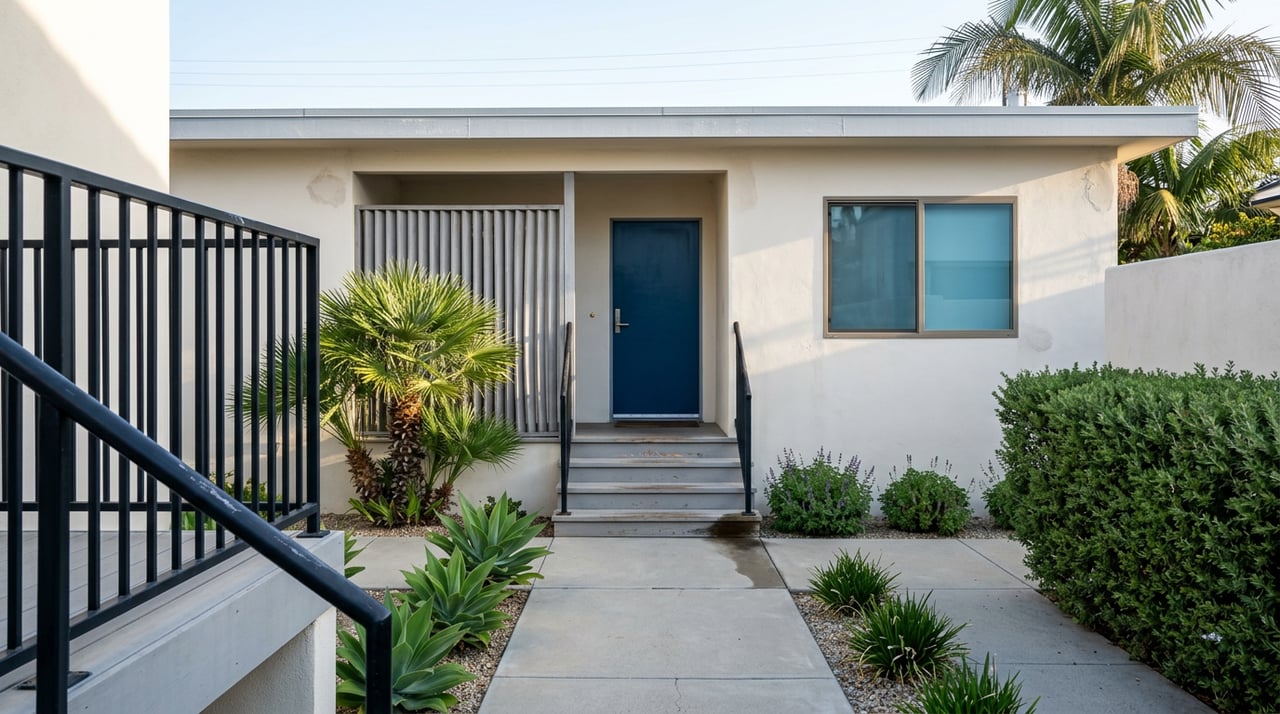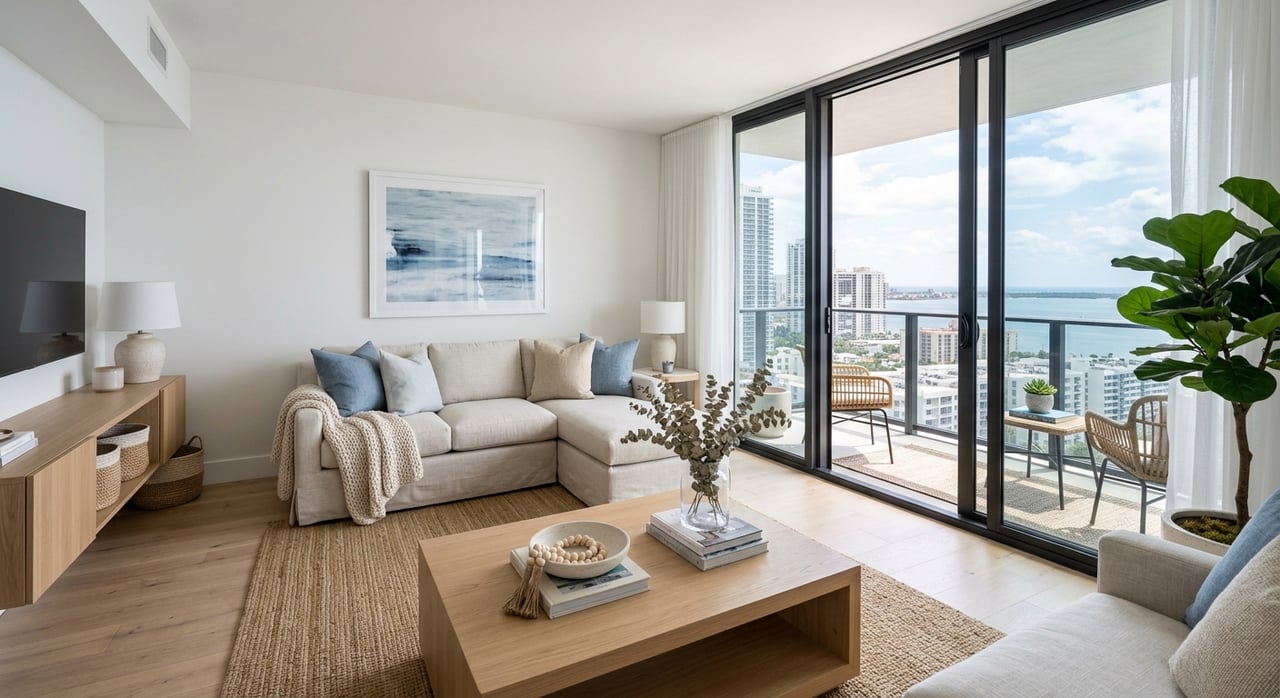
Selling a condo in Pismo Beach can look simple from the outside, but coastal buyers tend to notice every detail. In a market where the median listing price is about $1.4 million, homes spend a median of 56 days on market, and the sale-to-list ratio is 99%, your prep work can shape how quickly and confidently buyers respond. If you want to reduce friction, protect value, and launch with a stronger story, the right plan starts before your listing goes live. Let’s dive in.
Why prep matters in Pismo Beach
Pismo Beach is not a market where you can rely on location alone. Buyers are often comparing views, parking, HOA rules, condition, and overall ease of ownership at the same time.
That means your condo needs to feel clean, clear, and well-documented from day one. Strong preparation helps buyers focus on what they love about the property instead of getting stuck on unanswered questions or visible maintenance issues.
Start with a pricing and positioning mindset
In a selective market, pricing and presentation work together. With homes in Pismo Beach selling close to asking price on average, the goal is not to "test" the market with a loose strategy. The goal is to launch with a price and presentation package that feels credible.
For condo sellers, that usually means telling a complete story. Buyers want to understand how the unit lives, what the HOA covers, what the parking situation is, and whether the home feels move-in ready.
Make the space feel larger
Condos and townhomes often sell best when the layout feels easy to understand. Smaller rooms can feel tight fast, especially if furniture blocks walkways or decor competes for attention.
A smart first move is to declutter aggressively. Clear countertops, reduce furniture, remove bulky pieces, and create open circulation paths so buyers can move through the home without distraction.
Neutral wall colors, bright lighting, and simplified styling also help. The goal is not to strip all personality from the space, but to make each room feel open, calm, and functional.
Focus on the rooms buyers notice most
According to the 2025 Profile of Home Staging, 83% of buyer’s agents said staging makes it easier for buyers to visualize a home as their future home, and 60% said staging affects most buyers’ view of the home most of the time. That matters in a condo sale, where every room has to pull its weight.
The same research shows that the living room, primary bedroom, and kitchen are the most important rooms to stage. In practical terms, those spaces deserve the most attention before photos and showings.
Stage the living room clearly
Your living area should show obvious function and comfortable scale. Keep seating simple, avoid oversized pieces, and leave enough open floor area so the room reads as larger.
If the living room connects to a balcony or view, make that relationship easy to see. Buyers should immediately understand how the indoor and outdoor spaces work together.
Refresh the primary bedroom
The primary bedroom should feel restful and uncluttered. Clear off dressers, reduce extra furniture, and use bedding that looks crisp and simple.
If the room has natural light, lean into it. Open window coverings when appropriate and make sure lighting feels bright and clean for both in-person showings and photography.
Simplify the kitchen
In many condos, the kitchen is compact, so visual clarity matters. Remove small appliances, clear counters, and keep only a few intentional items on display.
Updated lighting, clean hardware, and fresh caulk or grout can make a big difference here. Buyers do not need a full remodel to feel good about the space, but they do need to feel that it has been cared for.
Prioritize cosmetic fixes over major projects
Before listing, it is usually smarter to spend on minor cosmetic improvements than on major construction. Fresh paint, repaired caulk, cleaned or refreshed floors, updated light fixtures, and polished hardware can remove the kinds of distractions that hurt first impressions.
This is especially true in condos and townhomes. Buyers are often evaluating layout, light, outlook, and ease of move-in more than they are looking for a dramatic renovation story.
Replacing worn carpet with wood, vinyl, or tile can also help if the flooring is visibly dated or tired. The goal is simple: remove signs of wear so buyers can focus on the strengths of the home.
Use vacant staging wisely
Vacant condos can photograph smaller than they feel in person. Without furniture, buyers may have a harder time judging scale, placement, and daily function.
If full physical staging is not practical, virtual staging can be a useful option for a vacant property. NAR notes that virtual staging can help when a home is vacant or would require too much furniture, and that photos, physical staging, videos, and virtual tours all matter to buyers.
Gather HOA documents early
One of the biggest mistakes condo sellers make is waiting too long to request HOA materials. In California, Civil Code section 4525 requires disclosure of key association documents, including governing documents, annual disclosure materials, current assessments and unpaid fees, unpaid fines, unresolved violation notices, and rental or leasing prohibitions.
Civil Code section 4530 says the association must provide requested documents within 10 days, and the related fees must be separately itemized. Even with that timeline, it is still wise to start early so your listing launch is not delayed.
Review reserves and assessment risk
Reserve strength can influence buyer confidence and lender scrutiny. California Civil Code section 5570 requires an assessment-and-reserve-funding disclosure summary, which makes this an important part of your prep.
If there are signs of low reserves or possible upcoming special assessments, it is better to understand that early. Clear information helps you and your agent shape expectations before buyers raise concerns.
Check for unresolved violations
If your HOA has sent violation notices that are still unresolved, those can create stress during escrow. It is much easier to clean up issues before the home goes live than to scramble once a buyer is under contract.
That is another reason documentation matters so much in condo sales. A clean paper trail supports a smoother transaction.
Be careful with pre-listing improvements
If you plan to make updates before selling, stick to improvements that are unlikely to trigger delays. California Civil Code section 4760 allows interior improvements that do not impair the structure or mechanical systems, but exterior appearance changes still need to comply with governing documents and applicable law.
Civil Code section 4765 also requires HOA approval processes for physical changes to be fair, reasonable, expeditious, and in writing. Even so, if you make unapproved balcony, window, or exterior-facing changes right before listing, you may create a problem you did not need.
For most Pismo Beach condo sellers, the most efficient path is interior cosmetic work. It keeps the prep focused and lowers the chance of last-minute HOA complications.
Verify any exterior work with the city
Pismo Beach says most development requires planning permits, and properties inside the Coastal Zone are subject to the city’s 1983 Zoning Code. The city also notes that about two-thirds of Pismo Beach is in the Coastal Zone.
That means even small exterior-related ideas should be checked carefully before work begins. If you are thinking about changes that affect the outside of the property, local rules and HOA rules both matter.
Market views with precision
In Pismo Beach, a view can be one of your strongest selling points, but vague language does not do it justice. The city’s zoning materials reference a View Consideration Overlay Zone intended to preserve scenic views and major public view corridors.
For your listing, be specific about where the view is experienced. Buyers respond better when they know whether the outlook is from the living room, balcony, or primary suite, and whether it feels wide, framed, or partial.
That same precision should carry into photography. If the view is a true asset, it should be documented clearly and honestly.
Be exact about parking
Parking deserves more than a passing mention in a Pismo Beach condo listing. The city says paid parking is in effect in the downtown core, with free parking hours from 4:00 a.m. to 10:00 a.m. and 6:00 p.m. to 11:00 p.m., and rates vary by block.
Because the local parking environment is structured, buyers will want details. If your unit has deeded, assigned, covered, or secure parking, lead with that information and explain it clearly.
This matters for full-time owners, second-home buyers, and guests alike. Unclear parking details can create hesitation even when the condo itself shows well.
Build a better listing package
A strong condo sale in Pismo Beach is usually the result of many small decisions done well. Staging, documentation, photography, and pricing all need to line up.
The marketing should help buyers understand not only what the home looks like, but how it lives day to day. That includes the main living area, kitchen, primary bedroom, outdoor space if applicable, and the practical details that shape ownership.
This is where a design-aware, detail-oriented strategy can make a real difference. When the layout story is clear and the paperwork is already in motion, your listing tends to feel more polished and easier to say yes to.
If you are getting ready to sell your Pismo Beach condo, a thoughtful prep plan can protect your time and your bottom line. When you want a design-forward, high-touch approach to pricing, presentation, and pre-listing strategy, connect with Jordan Jackson.
FAQs
What should you fix before selling a condo in Pismo Beach?
- Focus on minor cosmetic issues like paint, lighting, caulk, grout, flooring refresh, and worn hardware so buyers notice the layout, light, and view instead of small distractions.
Why do HOA documents matter when selling a Pismo Beach condo?
- HOA documents help buyers understand assessments, fees, rules, unresolved violations, rental restrictions, and reserve information, all of which can affect confidence and timing.
How early should you request HOA documents for a California condo sale?
- Request them as early as possible because California Civil Code section 4530 gives the association 10 days to provide requested documents, and you may need extra time to review them.
Should you stage a vacant condo before listing in Pismo Beach?
- Yes, staging can help buyers understand scale and layout, and virtual staging may be a practical option when full physical staging is not feasible.
How should parking be described in a Pismo Beach condo listing?
- Be precise and state whether parking is deeded, assigned, covered, secure, or guest-friendly, because parking conditions in Pismo Beach can influence buyer interest.
What makes condo views more marketable in Pismo Beach?
- Buyers respond best when the listing clearly explains where the view is from, such as the living room, balcony, or primary suite, and shows it accurately in photos.