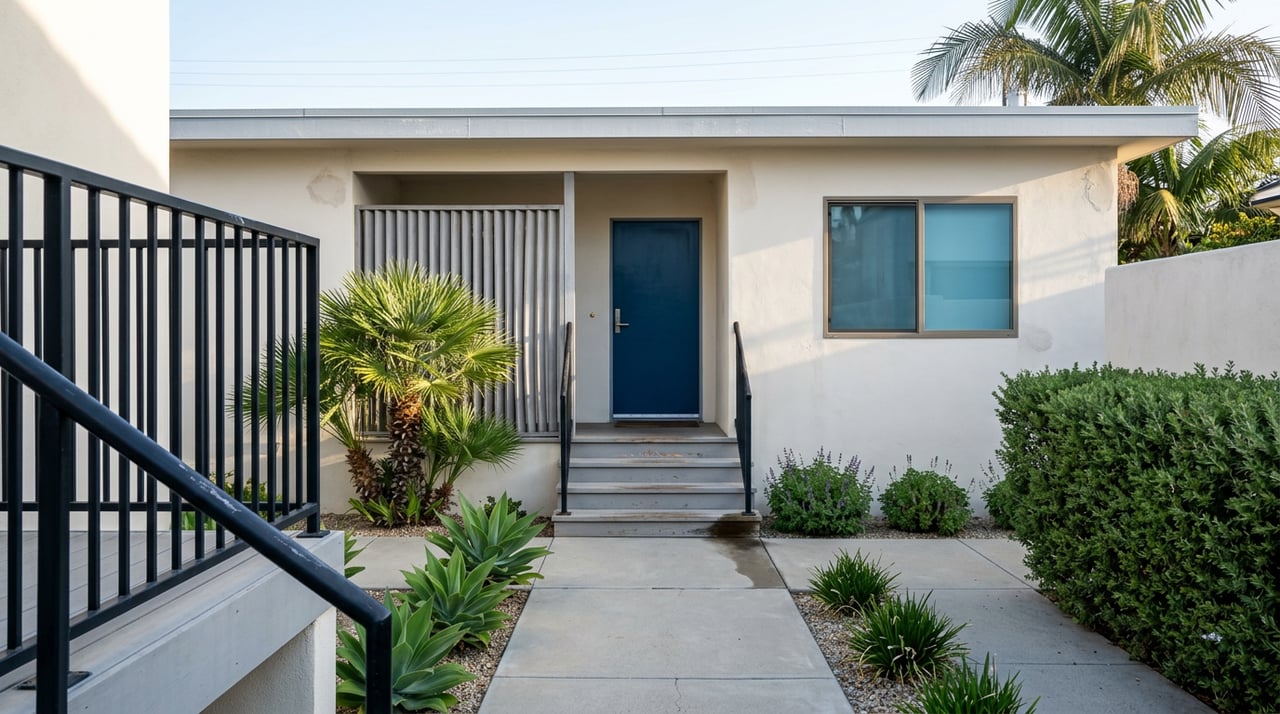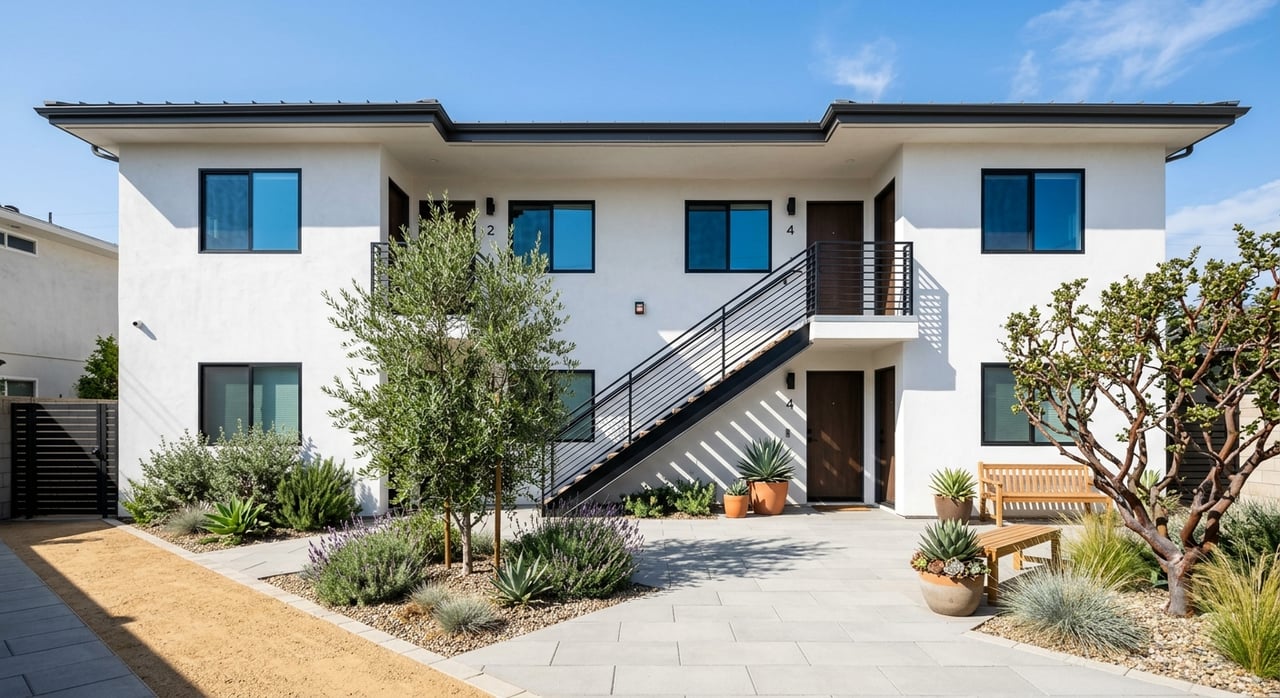
If you want to build a small multifamily portfolio on the Central Coast, Paso Robles deserves a serious look. It is not a giant apartment market, and that is exactly why a careful buyer can find opportunity in the details. When you understand the local rental supply, zoning rules, parking limits, and 1031 timing, you can make smarter acquisitions and avoid expensive assumptions. Let’s dive in.
Why Paso Robles Fits Small Multifamily
Paso Robles is a smaller city, but it is not a thin housing market. The most recent Census estimate puts the population at 31,626, with 12,910 housing units, a median household income of $92,228, an owner-occupied rate of 61.3%, and a median gross rent of $1,981. For you as an investor, that points to a city with real renter demand and a meaningful owner-occupant presence.
The housing mix also matters. Paso Robles reports that about 78% of housing is single-family, 20% is multifamily, and 2% is mobile homes. Within that multifamily share, 8% of all housing units are in 2-to-4-unit buildings and 12% are in 5-plus-unit buildings.
That tells a clear story. Small multifamily exists here, but it is not the dominant product type. In a market like this, building a portfolio often works better as a steady, property-by-property strategy instead of waiting for one oversized deal.
What Supply Conditions Suggest
Vacancy can tell you more than asking rents alone. Paso Robles’ 2021-2028 Housing Element reported a 1.9% rental vacancy rate using 2018 data, and it described 4% to 5% as a healthier balance point. A countywide needs assessment using 2023 ACS data reported a 4.9% rental vacancy rate for San Luis Obispo County.
Those numbers are not identical, and you should not treat city and county data as interchangeable. Still, both sources support the idea that rental supply has been relatively tight, especially when you focus on smaller rental properties. That kind of backdrop can support disciplined long-term portfolio building.
Start With the Right Screening Data
When you are reviewing duplexes, fourplexes, or small apartment buildings, public data can help you screen faster and underwrite with more confidence. In Paso Robles, a few benchmarks are especially useful.
Use Census Data for Baseline Demand
Census data gives you a grounded starting point. Median gross rent, household income, owner-occupancy, and total housing units can help you understand what the city is actually reporting across occupied housing. That is a better first pass than relying only on broad marketing claims.
For Paso Robles, the current median gross rent is $1,981. That does not tell you what every unit should rent for, but it does help frame what the local market is supporting across occupied rentals.
Use HUD Rents Carefully
HUD Fair Market Rents can be useful, but they serve a different purpose. HUD says these figures are primarily used for program payment standards and limits, not as direct market comps. For FY 2026 in the San Luis Obispo-Paso Robles MSA, the schedule lists:
- $1,842 for 0-bedroom units
- $2,036 for 1-bedroom units
- $2,671 for 2-bedroom units
- $3,584 for 3-bedroom units
- $4,105 for 4-bedroom units
The key is knowing what you are comparing. Census median rent reflects occupied rental housing, while HUD Fair Market Rent is a program benchmark. If you are modeling conventional market rent, voucher-compatible rent, or post-renovation rent, that distinction matters.
Watch Vacancy, Not Just Rent
High projected rents can look great on paper, but vacancy tells you more about supply pressure. Census guidance treats homeowner and rental vacancy rates as important housing-market indicators. In Paso Robles, the public data points to a market that has often operated with limited rental slack.
That does not mean every building will perform the same way. It means you should pay close attention to unit mix, condition, and location within the city instead of assuming broad rent growth will fix a weak deal.
Verify Zoning Before You Underwrite
Zoning should be one of your earliest checks, not an afterthought. Paso Robles updated its zoning code in 2024, and the city said the updated code became effective on October 31, 2024. If you are evaluating a small multifamily property, you need to confirm the parcel against the current zoning map and Title 21.
Know the Multifamily Zones
The current code includes several residential districts that matter for multifamily uses:
- R-2 for low-density multifamily
- R-3 for medium-density multifamily
- R-4 for medium-high density multifamily and mobile home developments
- R-5 for high-density multifamily
The city’s Housing Element also identifies multifamily geography in R-2, R-3, R-3-O, R-4, R-5, and the Uptown/Town Centre Specific Plan zones. Multifamily is allowed by right in those zones, and conditionally allowed in OP.
That last point is important. Not every infill parcel follows the same rulebook. If a property sits within the Uptown or Town Centre Specific Plan area, you should verify those separate zoning rules before you count on a unit-add or redevelopment angle.
Understand the 11-Unit Threshold
If your long-term plan includes scaling a site, the city’s development process matters. Paso Robles says a Development Plan is required for multifamily residential development projects resulting in 11 or more units per lot or part of subdivision.
For you, that creates a practical dividing line. A duplex, triplex, fourplex, or smaller apartment acquisition may involve a more straightforward path than a project that crosses into a larger unit count. That can shape both timeline and feasibility from the start.
Parking Can Make or Break the Deal
Parking is one of the easiest ways to overestimate a property’s upside. In Paso Robles, the zoning code sets specific multifamily parking ratios, and the major parking-reduction path does not apply to residential uses except age-restricted development.
Here are the current requirements for multifamily uses:
- 1 space per studio or 1-bedroom unit under 600 square feet
- 1.5 spaces per studio or 1-bedroom unit over 600 square feet
- 2 spaces per 2-or-more-bedroom unit
- 1 guest space per 5 units
If you are planning to add bedrooms or reconfigure units, these ratios matter. A floor plan may look easy to improve on paper, but parking can quickly become the constraint that changes the entire business plan.
Where Value-Add Potential Often Shows Up
In Paso Robles, value-add opportunity may come more from aging housing stock than from dramatic land plays. The city’s Housing Element said that, as of 2018, about 58% of housing units were over 30 years old. It also noted that older homes often begin to show deterioration after 30 years and may require major renovation after 50 years if they have not been maintained.
That matters for small multifamily buyers. Older duplexes, fourplexes, and small apartment buildings may offer upside through deferred maintenance correction, system upgrades, improved layouts, or interior refreshes. In many cases, the opportunity is in smart repositioning, not just expansion.
Underwrite Scope With Tax Treatment in Mind
When you model a renovation, the accounting treatment matters. IRS Publication 527 lists common rental expenses such as advertising, cleaning and maintenance, commissions, depreciation, insurance, interest, legal and professional fees, management fees, repairs, taxes, and utilities.
It also draws a critical line between repairs and improvements. Repairs and maintenance are generally deductible, while improvements that better, restore, or adapt the property must be capitalized. If you are planning a value-add strategy, you should evaluate each scope item with that distinction in mind.
Publication 527 also says ordinary and necessary expenses become deductible when the property is made available for rent. If your plan includes a renovation-to-lease-up sequence, that timing can affect how you model the hold period and project costs. Good records matter.
A Smart Way to Scale Over Time
Paso Robles is well suited to a gradual portfolio approach. Because the market is smaller and the multifamily share is modest, the best path may be to buy one solid asset, stabilize it, and then use your next move to improve quality, unit count, or long-term cash flow.
That might mean moving from a duplex to a fourplex, or from a fourplex to a small apartment building. The local data supports a strategy built on disciplined acquisitions, zoning verification, and careful renovation planning.
How 1031 Exchanges Can Support Growth
If you already own investment property, a 1031 exchange can be a useful scaling tool. The IRS says like-kind exchanges apply to real property used for business or held for investment, not property held primarily for sale. It also says real properties are generally like-kind regardless of whether they are improved or unimproved.
For a portfolio builder, that means a transition from one apartment asset to another can fit the basic framework. A duplex-to-fourplex or fourplex-to-small-apartment exchange may work if the transaction is structured correctly.
Timing Rules Matter Most
The biggest issue is usually timing. IRS instructions for Form 8824 say replacement property must be identified no later than 45 days after the transfer of the relinquished property. The replacement property must then be received by the earlier of 180 days after that transfer or the due date of the tax return for the year of the exchange.
The IRS also notes that a qualified intermediary can facilitate the exchange, and Form 8824 is used to report it. If a 1031 is part of your growth plan, it helps to line up your team early so you are not making rushed decisions inside a tight deadline.
A Practical Portfolio Strategy for Paso Robles
If you are serious about building a small multifamily portfolio in Paso Robles, focus on a repeatable process. Start with city-level rent and housing data. Verify zoning before you underwrite upside. Pressure-test parking, especially if you plan to add units or bedrooms.
Then look hard at age, condition, and renovation scope. In this market, a thoughtful buyer can create value by finding older assets with realistic repositioning potential and matching them to a long-term acquisition plan. That approach fits Paso Robles better than chasing scale for its own sake.
If you want a design-aware, numbers-driven strategy for buying, repositioning, or exchanging multifamily property on the Central Coast, Jordan Jackson can help you evaluate opportunities with clarity and move with confidence.
FAQs
What makes Paso Robles a good market for small multifamily investing?
- Paso Robles combines a meaningful renter base with historically tight rental supply, while small multifamily remains a modest share of the total housing stock.
What rent data should you use for Paso Robles multifamily screening?
- Start with Census data for baseline market context and use HUD Fair Market Rents carefully as program benchmarks rather than direct market comps.
What zoning districts matter for Paso Robles multifamily properties?
- Key multifamily zones include R-2, R-3, R-4, and R-5, and some properties may also fall within the Uptown/Town Centre Specific Plan area with separate rules to verify.
What parking rules affect Paso Robles multifamily deals?
- Paso Robles requires specific parking ratios by unit size and bedroom count, plus guest parking, so parking can directly affect whether a renovation or unit-add plan is feasible.
What should you look for in older Paso Robles small apartment buildings?
- Focus on deferred maintenance, aging systems, outdated interiors, and whether improvements create realistic rent or operational upside without breaking zoning or parking limits.
How can a 1031 exchange help you grow a Paso Robles multifamily portfolio?
- A 1031 exchange can help you move from one investment property into another like-kind property, but the 45-day identification and 180-day receipt deadlines make early planning essential.