Dreaming about waking up to Pacific views in Morro Bay? The appeal is real, but so are the tradeoffs. When you buy an ocean-view home here, you are not just paying for square footage. You are weighing view quality, weather, maintenance, planning changes, and long-term value. This guide will help you think through those decisions with more clarity so you can buy with confidence. Let’s dive in.
Why ocean views cost more
In Morro Bay, views can move the price in a meaningful way. Even the citywide median sale price was $960,000 last month, according to Redfin’s Morro Bay housing market data.
That matters because not all view homes offer the same experience. Research cited by Freddie Mac found that ocean views carried a 36% premium in one coastal study, while broader academic literature found view premiums ranging from about 8% for weaker views to nearly 60% for the strongest ones. In practical terms, a wide, open sightline can command a very different price than a narrow peek of water.
Compare view quality, not labels
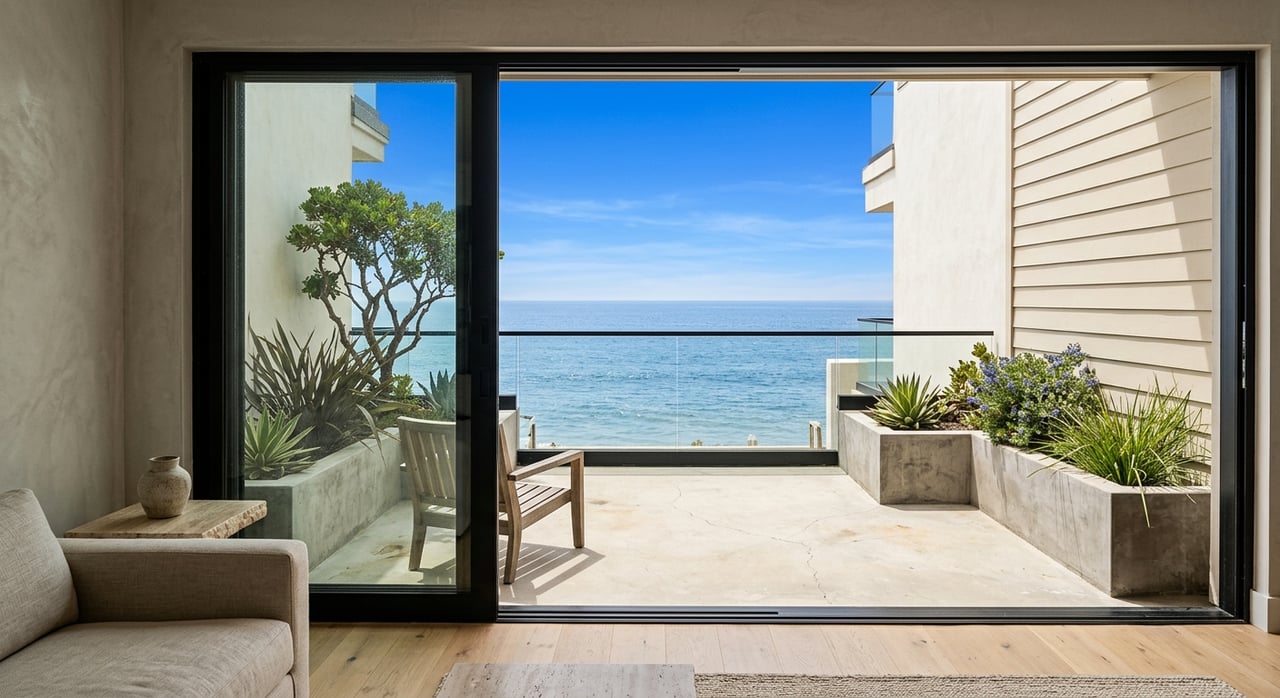
The phrase “ocean view” can mean a lot of different things. One home may look directly at open water, while another may offer only an angled glimpse between rooftops. In a market like Morro Bay, that difference can affect both your lifestyle and your resale potential.
The most valuable views are often the ones that feel broad, direct, and hard to block over time. Academic work on the value of a view supports that idea, and it fits Morro Bay’s local planning focus on views and visual impacts in coastal areas.
As you compare homes, look closely at what you actually see from the main living spaces and outdoor areas. A view of open water, the harbor mouth, or Morro Rock may feel very different from a small slice of blue at the edge of a bedroom window.
What to study during a showing
- The width of the sightline from living room, kitchen, and primary bedroom
- Whether the view is direct or angled
- How much of the view comes from inside versus outside
- Whether fences, roofs, trees, or nearby structures interrupt it
- Whether the home captures landmark views like Morro Rock or harbor scenery
Weather changes the daily experience
A Morro Bay view home is as much a lifestyle purchase as a financial one. The city has a mild coastal climate with cool summers, breezy winters, and occasional fog. That means the same home can feel dramatically different depending on the time of day.
This is one of the most overlooked tradeoffs for buyers. A home that looks spectacular in listing photos on a bright afternoon may feel cool, gray, and less usable during a foggy morning. If outdoor living is part of your goal, you should pay attention to sun exposure, wind, and how often the marine layer softens the outlook.
Visit at more than one time
Try to see a serious candidate more than once if possible. Compare:
- Morning light, when marine layer conditions may be more noticeable
- Midday conditions, when brightness and warmth may improve
- Late afternoon, when wind and shadows can change comfort levels
Outdoor space can matter as much as windows
In Morro Bay, the best view home is not always the one with the biggest pane of glass. Local coastal design guidance emphasizes maximizing ocean views, usable outdoor space, and efficient solar exposure.
That is important because a home with a smaller interior but a well-positioned deck, porch, or patio may deliver a better everyday experience than a larger home with awkward windows or limited outdoor use. Deck orientation, privacy, and wind protection can all affect how often you actually enjoy the setting.
The same design guidance also addresses garage placement, lighting, and landscaping as view-sensitive issues. For you as a buyer, that means the whole site plan matters. The right layout can make a modest home feel special, while a poor layout can waste an expensive location.
Local design rules shape the product
If you are picturing sleek glass-heavy coastal architecture, Morro Bay may feel more restrained. The city’s design guidance points toward California bungalow, Craftsman, and Cape Cod character, with controls on height and massing meant to preserve views and reduce visual impacts.
That creates a clear tradeoff. You may get a more charming, coastal-California look, but you may also see fewer dramatic modern structures and fewer oversized builds. For many buyers, that is part of Morro Bay’s appeal. Still, it is worth knowing that local design standards can shape what is possible for future additions, remodels, or rebuilds.
Salt air and moisture raise maintenance stakes
Ocean views come with ocean air. According to FEMA’s coastal construction guidance, salt spray and moisture can contribute to corrosion and decay of building materials, especially metal connectors and fasteners exposed to coastal conditions.
That means maintenance is not a minor issue. Railings, flashing, deck attachments, exterior hardware, and other metal elements deserve close attention during inspections. What looks like a cosmetic issue at first glance may point to ongoing exposure and future repair costs.
Ask inspectors to look closely at
- Deck connections and railings
- Flashing and fasteners
- Exposed exterior hardware
- Corrosion near windows and doors
- Signs of moisture intrusion or material decay
This is where a design-aware, detail-focused buying strategy helps. You want to know not just whether a home looks good today, but whether it is aging well in coastal air.
Foundations, drainage, and soils matter
View homes can also raise site-specific questions, especially if they are near slopes, bluffs, or areas with more complex drainage. Morro Bay’s information for designers notes typical criteria that include Site Class D, Seismic Design Category D or D2, and an 85 mph basic wind speed. The city also requires soils reports for grading or foundation work.
For buyers, that should put foundation condition and drainage on the checklist right away. If a property has a history of settlement, retaining issues, or water movement, you may want to ask whether a geotechnical review makes sense. This is especially true for bluff-adjacent or more exposed sites.
Flood and insurance costs can change the math
Some ocean-view and waterfront-adjacent homes may carry added insurance questions. Morro Bay participates in FEMA’s Community Rating System, and the city says residents receive a 15% flood insurance discount. The city also advises buyers to confirm whether a property is in a Special Flood Hazard Area, review flood map data, and determine whether mandatory flood insurance applies to a federally backed mortgage.
This is a major tradeoff to weigh before you fall in love with a view. A lower-lying property may offer an exciting setting near the bay or shoreline, but insurance, risk tolerance, and long-term carrying costs all matter.
Sea-level rise and tsunami planning deserve attention
If a home sits near low-lying shoreline areas, it is smart to ask broader resilience questions too. California’s Morro Bay tsunami inundation map is intended for evacuation planning, and state guidance notes that sea-level rise and extreme storms can increase flooding, wave impacts, erosion, beach loss, and saltwater intrusion.
Local modeling from the Morro Bay National Estuary Program says a one-meter sea-level rise could flood parts of the bay mouth, State Park Marina, the golf course area, and other low-lying waterfront zones.
You do not need to become an engineer to use this information well. You simply need to ask whether the property is low-lying, near flood-prone areas, or likely to face higher future insurance and planning concerns.
Future planning can affect view permanence
One of the biggest questions in any view purchase is whether the view is likely to last. In Morro Bay, that question deserves extra attention because the city is actively updating its Waterfront Master Plan, with completion estimated for November 2026.
That does not mean your view is at risk. It does mean you should ask informed questions about nearby parcels, circulation changes, waterfront infrastructure, and redevelopment-sensitive areas. A strong view today is more valuable when you have confidence in its long-term outlook.
A practical way to weigh the tradeoffs
If you are deciding between two Morro Bay homes, try comparing them across the factors that actually shape ownership:
| Factor | Lower-Risk Option | Higher-Risk Option |
|---|---|---|
| View quality | Wide, direct, open sightline | Narrow, angled, partially blocked view |
| Outdoor use | Sunny, sheltered deck or patio | Windy, shaded, less usable exterior space |
| Maintenance | Well-kept materials, limited corrosion | Visible salt-air wear and deferred repairs |
| Site condition | Good drainage and stable history | Questions around soils, drainage, or foundation |
| Flood exposure | Outside key flood concerns | Near low-lying or flood-sensitive areas |
| View permanence | Limited nearby change potential | Adjacent to planning or redevelopment activity |
When you look at homes this way, the decision gets clearer. The best buy is not always the one with the most dramatic first impression. It is often the one that balances lifestyle, durability, and long-term value most effectively.
A thoughtful ocean-view purchase in Morro Bay should feel inspiring, but it should also feel well-vetted. If you want help comparing properties, pressure-testing tradeoffs, and understanding how design, site conditions, and long-term value fit together, connect with Jordan Jackson to book a consultation.
FAQs
What makes one Morro Bay ocean-view home more expensive than another?
- Price often depends on the quality of the view, including how wide, direct, and unobstructed it is, plus whether the view is likely to remain intact over time.
How should you evaluate outdoor space in a Morro Bay view home?
- Focus on how usable the deck, patio, or porch feels in real conditions, including sun exposure, wind, privacy, and connection to the main living spaces.
Why does Morro Bay weather matter when buying a view property?
- Morro Bay’s cool coastal climate, breezes, and fog can affect light, temperature, and how often you actually enjoy the view and outdoor areas.
What maintenance issues should you check in a Morro Bay coastal home?
- Ask inspectors to closely review corrosion, moisture exposure, deck attachments, flashing, railings, and other exterior hardware affected by salt air.
How do flood maps affect buying an ocean-view home in Morro Bay?
- Flood map status can affect insurance requirements, ownership costs, and your comfort level with long-term risk, especially for low-lying properties.
Why should buyers ask about the Morro Bay Waterfront Master Plan?
- Because future waterfront planning, infrastructure changes, or redevelopment activity could affect circulation, nearby uses, and the long-term feel of a view corridor.