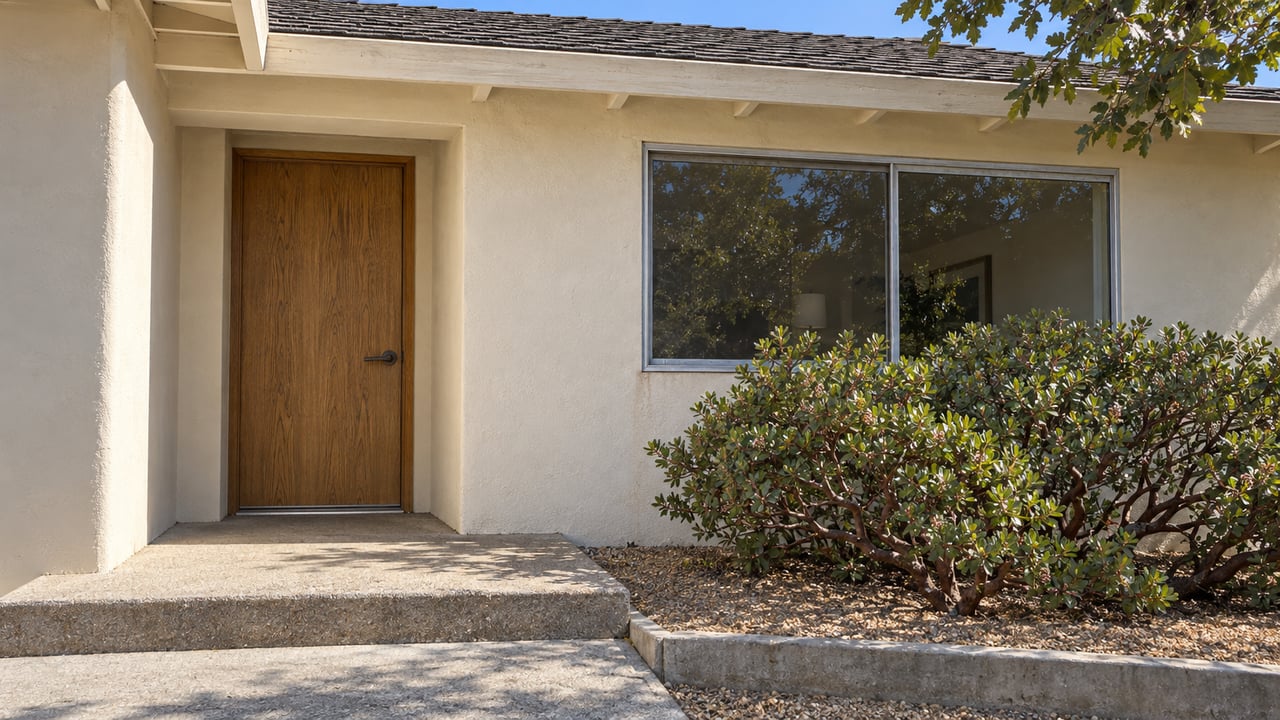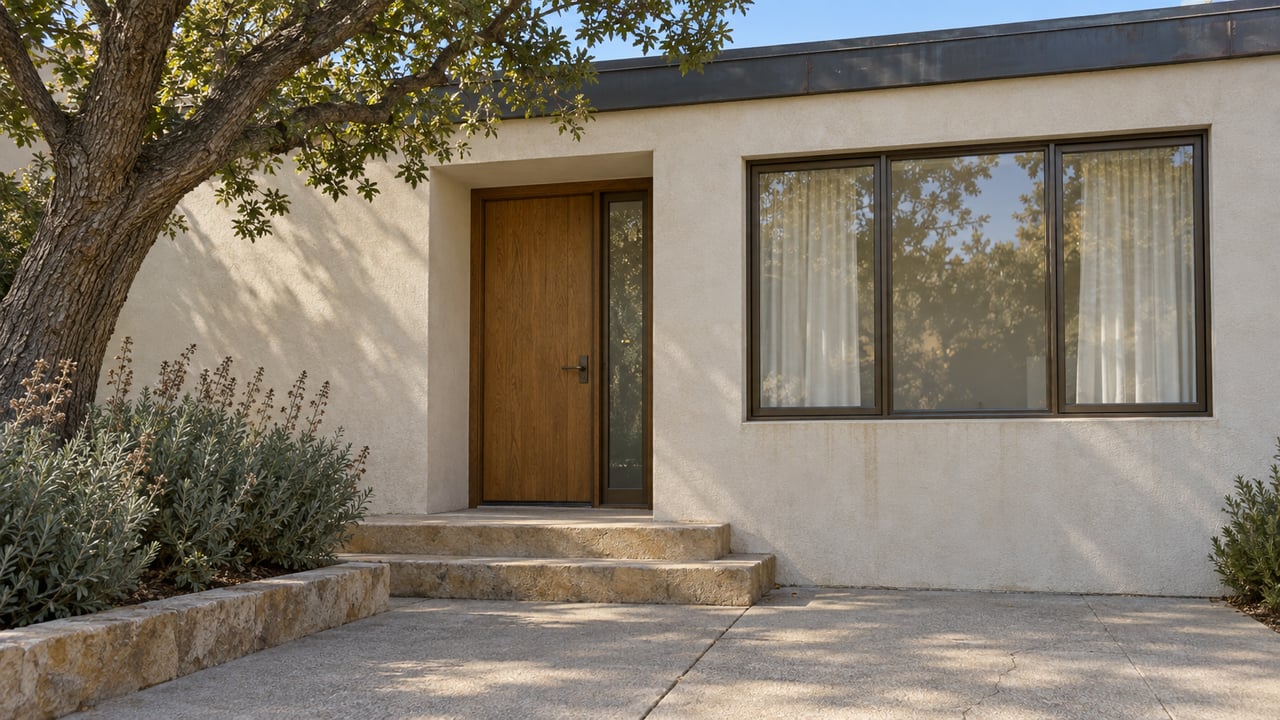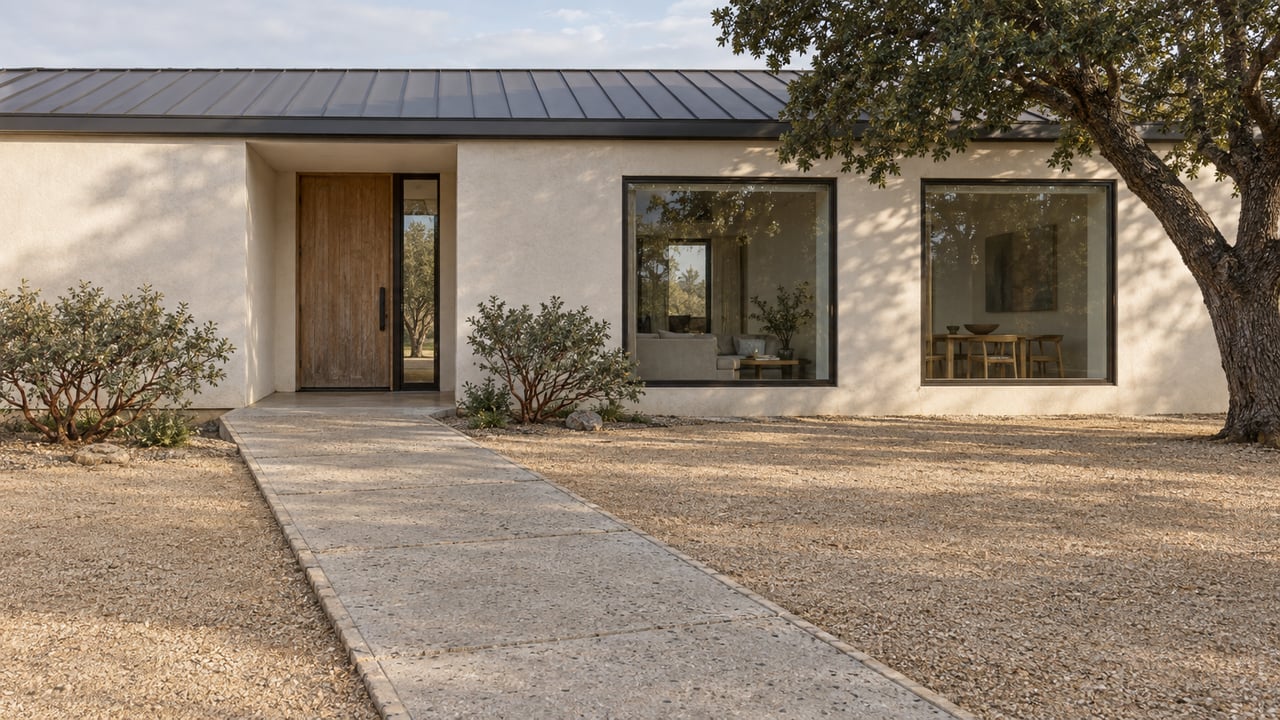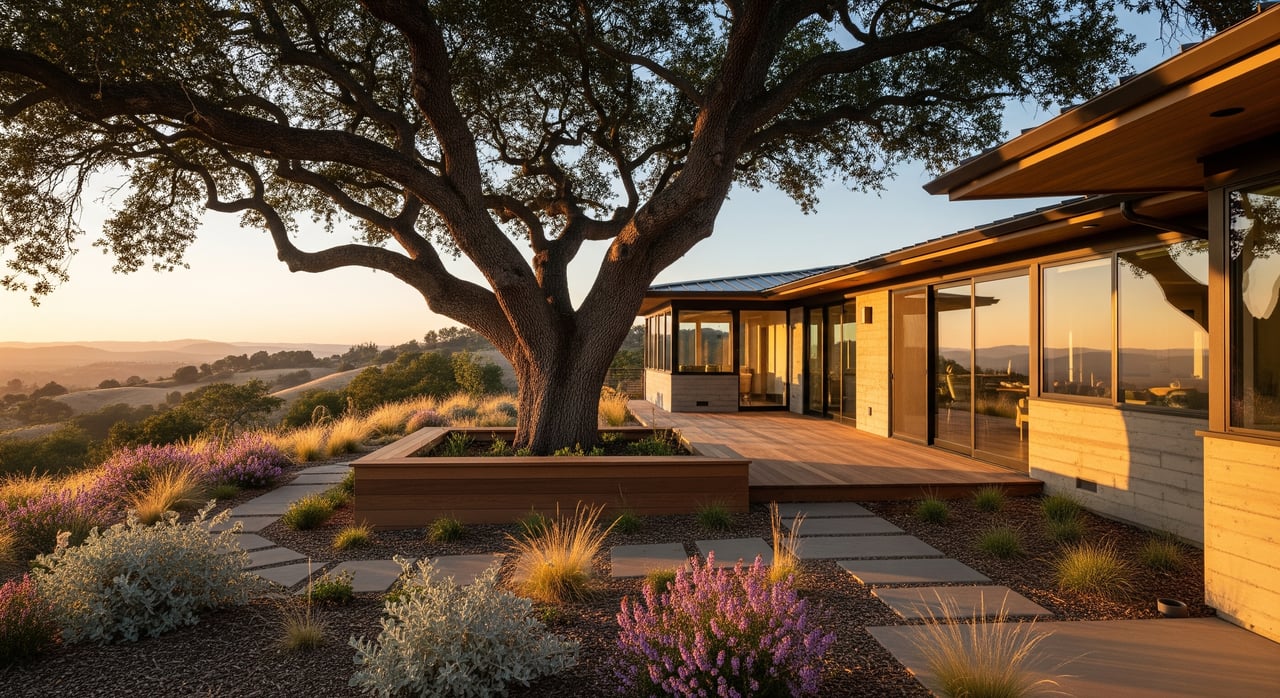
Remodeling in Atascadero and staring at a beautiful oak right where you want to add space? You are not alone. Native oaks shape the look and feel of our city, and they come with rules that can affect your design, budget, and timeline. In this guide, you will learn the essentials to protect your trees, meet City requirements, and still get a great remodel. Let’s dive in.
Why Atascadero protects oaks
Atascadero’s identity is tied to its native oaks. These trees support local wildlife, help the watershed, and define neighborhood character. Mature oaks grow slowly, so their benefits take decades to replace. The City lists protected species and shares homeowner resources on its protected native trees page.
Know the rules before you design
Permit triggers and thresholds
Atascadero regulates work on protected native trees. The City’s Native Tree Regulations require permits for removing deciduous native trees at 2 inches DBH or larger, and most other protected natives at 4 inches DBH or larger. Pruning more than 25 percent of live canopy is also regulated. Review the Native Tree Regulations to confirm what applies to your lot.
Some single-family lots with no current or planned construction may have limited exemptions. For removal fees and process basics, check the City’s tree removal permit FAQ.
Work inside a dripline
If your project touches a tree’s dripline, the City can require a Tree Protection Plan and an arborist report as part of your building permit. Early contact with Planning saves time and redesign later. See the City’s Native Tree Regulations for how driplines and protection plans are used in reviews.
Mitigation and fees
Residential building permits in Atascadero include a baseline planting condition of one five-gallon native tree per single-family dwelling. If removal is approved, the City may require replanting or a payment to the native tree fund. Details are set case by case in the Native Tree Regulations.
Plan your remodel around the trees
Start with a tree inventory
Before you sketch floor plans, map protected species and measure DBH (trunk diameter at 4.5 feet above grade). This helps you set design constraints and avoid costly changes later. If you are near a dripline, plan to hire an ISA-certified consulting arborist to document tree health and prepare protection measures.
Set a protective root zone
Design to avoid the root zone first, then minimize any impact. A common rule of thumb is to treat the dripline as a no-disturb area or use a Critical Root Zone radius based on trunk size. For practical on-site standards, see construction best practices from OSU Extension.
Design moves that save your oaks
Reroute footprints and utilities
- Keep additions, pads, and driveways out of the dripline where possible.
- Reroute utilities to avoid trenching through the root zone. If a crossing is unavoidable, use trenchless methods or hand or air excavation under arborist supervision, as outlined by OSU Extension.
Choose tree-friendly foundations
- Consider pier, micropile, helical pile, or grade beam systems that reduce broad excavation in root areas.
- Coordinate structural solutions with your arborist and engineer so loads bypass the shallow root zone while meeting code.
Smarter hardscape and grading
- Avoid raising or lowering grade within the root zone. Soil changes and compaction can harm oaks.
- Where hardscape must approach a tree, look at permeable pavers or structural soil systems that improve gas and water exchange. The Morton Arboretum outlines practical on-site protection measures in its tree protection guidance.
Protect trees during construction
Fence and mark no-go zones
Install sturdy fencing at the approved limit and post clear signs that say “Tree Protection Zone - No Entry.” Keep equipment, parking, and material staging outside the fence. If limited access is unavoidable, use temporary ground protection as described in the Morton Arboretum guidance.
Supervise any root work
If roots must be cut, have qualified personnel do clean cuts under arborist supervision. Avoid cutting structural roots when possible. Cover and keep exposed roots moist during work. See construction-site practices from OSU Extension.
Aftercare matters
Your arborist should set a post-construction plan with pruning, mulch, targeted irrigation, and follow-up checks. Monitoring at completion, 6 months, 12 months, and annually for a few years helps catch stress early. If you notice unusual dieback or leaf issues, review UC guidance on oak health and pathogens like sudden oak death from UC IPM.
Balance fire safety with preservation
California law requires defensible space around homes. PRC 4291 outlines up to 100 feet of defensible space, with the most intensive work in the first 30 feet. Many healthy, well-pruned trees can remain if they do not create ladder fuels. Review the statute via PRC 4291, and coordinate early with local Fire and City Planning.
A practical process is to request a fire assessment, document any hazards and treatments, submit tree permits with the fire recommendation, then follow any replanting or in-lieu fee conditions. This keeps you compliant while improving safety.
A simple step-by-step checklist
- Meet with Atascadero Planning and map protected trees on your site plan.
- Hire an ISA-certified consulting arborist if you will work inside a dripline.
- Explore footprint shifts, pier or pile foundations, and raised or permeable hardscape to avoid the root zone.
- Plan trenchless utilities or supervised hand excavation if a crossing is required.
- Install and enforce fencing and no-storage rules around the Tree Protection Zone.
- If removal is necessary, apply for the City’s tree permit and plan for mitigation. Check the City’s permit FAQ for current fees.
- Follow the arborist’s aftercare and monitoring schedule post-construction.
When removal is unavoidable
If a protected oak must be removed, apply for a City tree removal permit. The City may require replanting or a payment to the native tree fund, and all residential building permits include planting one five-gallon native tree per single-family dwelling. Details are set in the Native Tree Regulations. For properties outside city limits, review the County’s oak woodland rules via the SLO County Oak Woodland Tree Removal page.
Local partners for success
- City Planning: connect early to confirm dripline impacts, required reports, and mitigation. Start at the Atascadero Planning Division.
- Consulting arborist: ISA-certified, experienced with construction sites.
- Architect and engineer: collaborate on tree-friendly siting, foundations, and grading.
Preserving Atascadero’s oaks is good design and good stewardship. If you want a practical plan that protects your trees and your budget, reach out. As a design-forward local advisor, Jordan Jackson can help you coordinate Planning, the right consultants, and a remodel strategy that works.
FAQs
Do I need a permit to remove a small oak in Atascadero?
- If the tree is a protected native and meets size thresholds (deciduous natives at 2 inches DBH or more, most others at 4 inches DBH or more), a City permit is required unless a listed exemption applies; see the Native Tree Regulations and the City’s permit FAQ.
How close can I build to an oak on my lot?
- Construction within a tree’s dripline typically requires a Tree Protection Plan and may require an arborist report under the Native Tree Regulations; plan early to avoid redesign.
What mitigation is required if a protected oak must be removed?
- The City may require on-site replanting or payment to the native tree fund, and each residential building permit includes one five-gallon native tree per single-family dwelling; see the Native Tree Regulations.
How do defensible space rules affect my oaks?
- California’s PRC 4291 requires defensible space, especially within 30 feet of structures; coordinate with local Fire and City Planning and reference PRC 4291 to document hazards and any needed pruning or removal.
Who should I hire to protect trees during a remodel?
- Engage an ISA-certified consulting arborist for reports and on-site protection, and work with your architect and engineer to choose tree-friendly foundations and utility routes; use construction practices outlined by OSU Extension.